March 20, afternoon, the 1st Global Automotive Design and Innovation Conference 2026, a core session of the Global Intelligent Vehicle Conference (GIVC), was successfully held at Shenzhen World Exhibition & Convention Center. The conference was jointly hosted by CCPIT-AUTO and CIMP, aiming to establish a high-level dialogue platform for the global automotive design community.
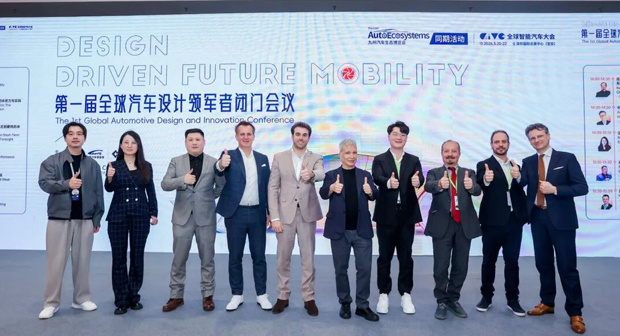
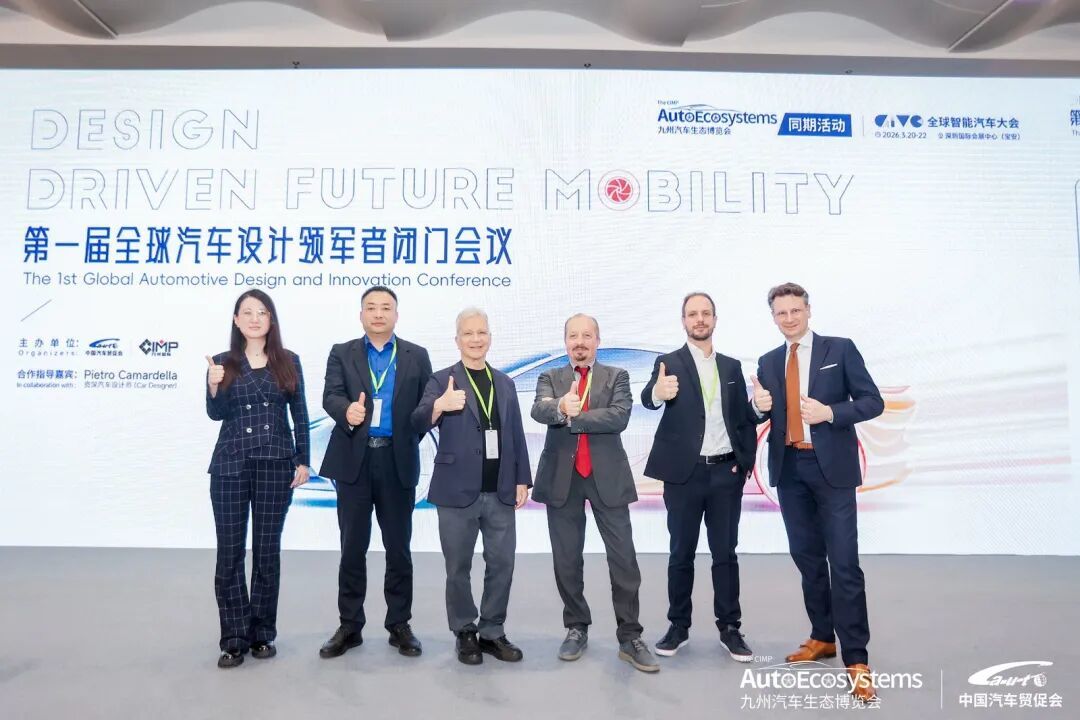
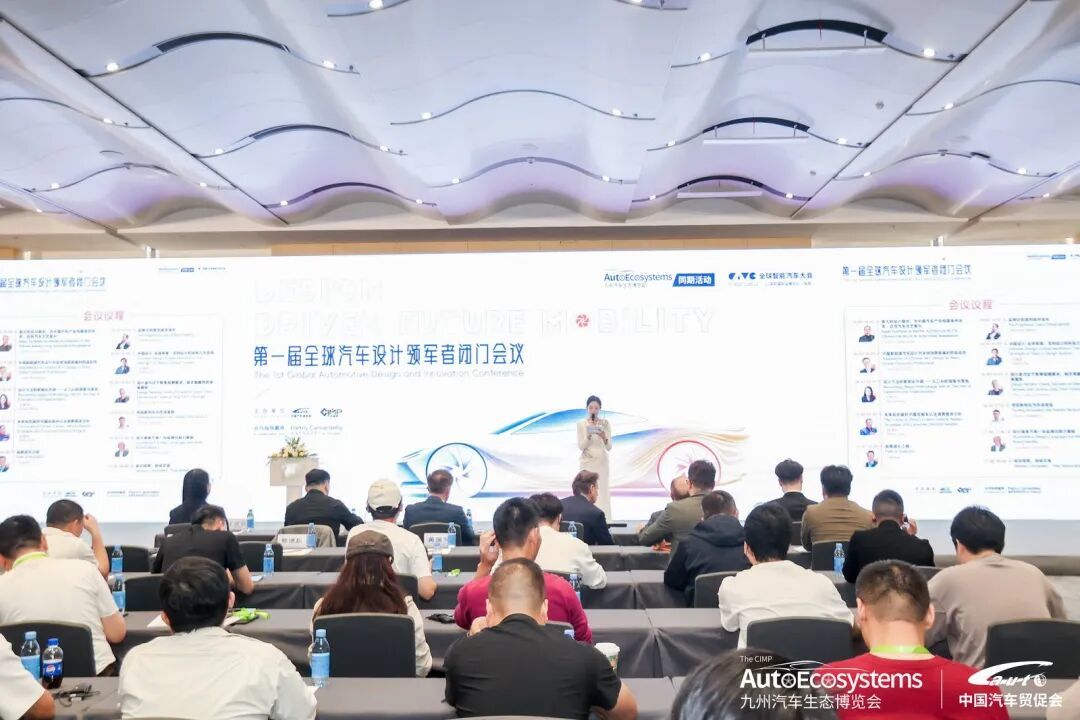
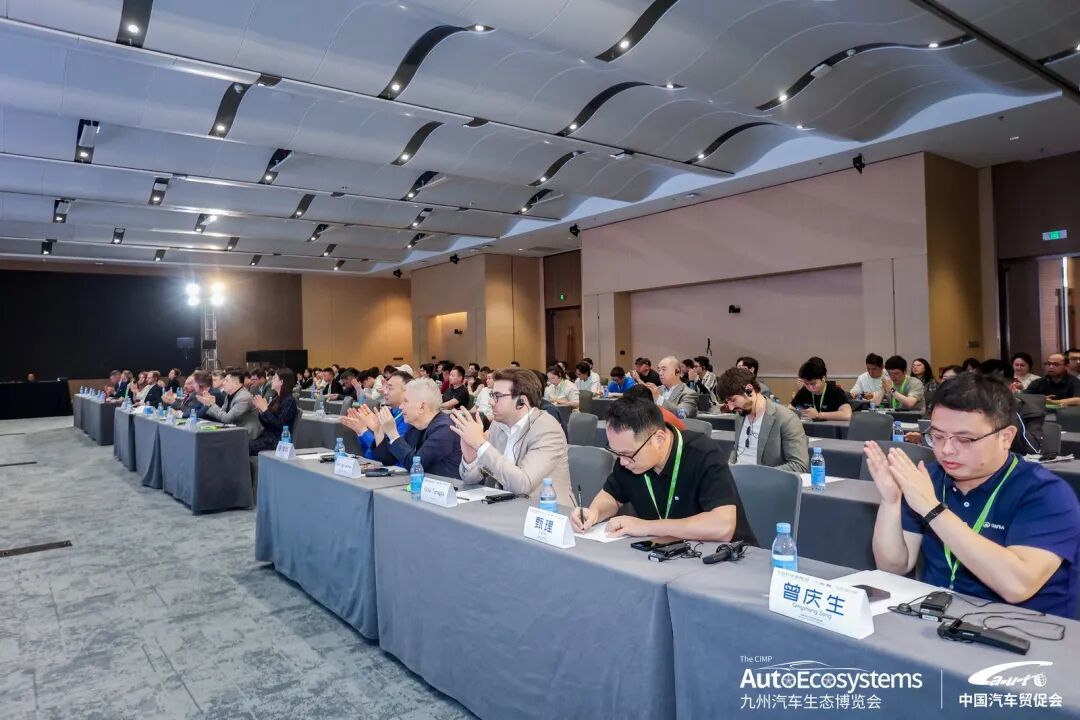
During the conference, guests engaged in in-depth discussions on industrial transformation amid electrification, digitalization, and smart mobility, through 10 keynote speeches and dynamic exchanges. Bringing together global design expertise, the conference delivered strategic insights to drive China's transition from imitation to innovation and enhance its global competitiveness.
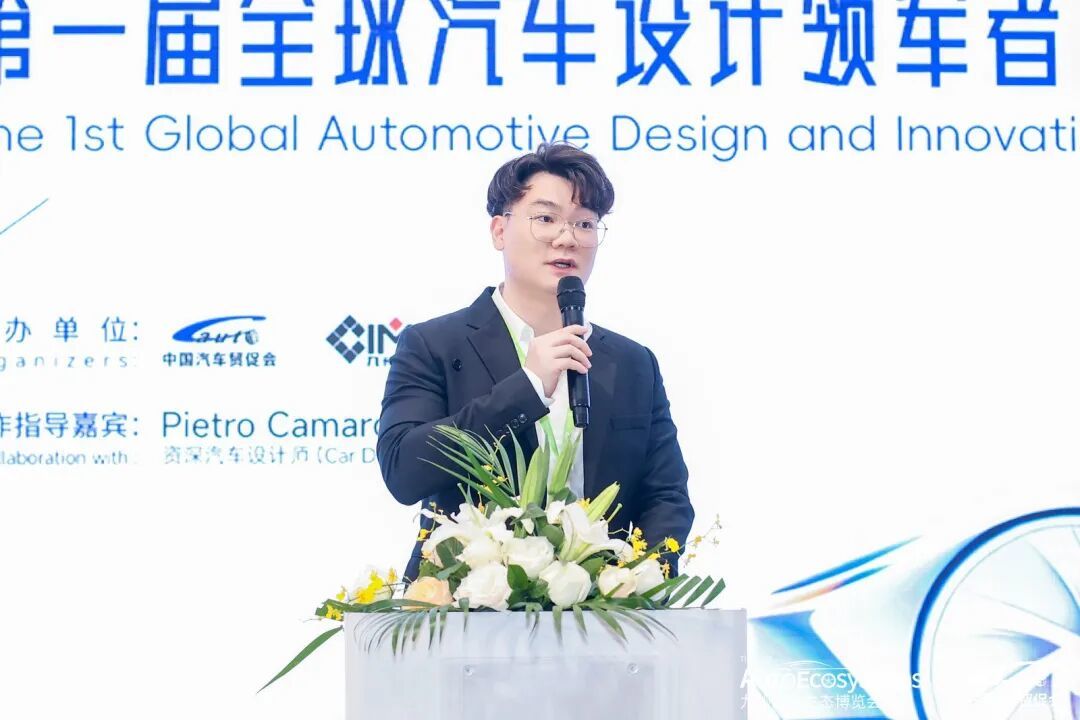
During the conference, Mr. Li Jiazheng, General Manager of CIMP, stated in his address:
"Centered on the theme 'Design Drives the Future,' this conference explores the comprehensive evolution of automotive design—from styling to branding, user experience, and future mobility—in the era of electrification, digitalization, and smart mobility. Leveraging the CIMP AutoEcosystems Expo as an integrated platform covering the entire automotive industry ecosystem, we aim to bring together global resources and support China’s automotive industry in connecting with the world.
Today, China’s automotive design is transitioning from imitation to innovation, moving toward greater personalization, technological sophistication, and cultural integration. By building a global platform for exchange, this conference aims to foster diverse dialogue and drive collaborative innovation in automotive design."
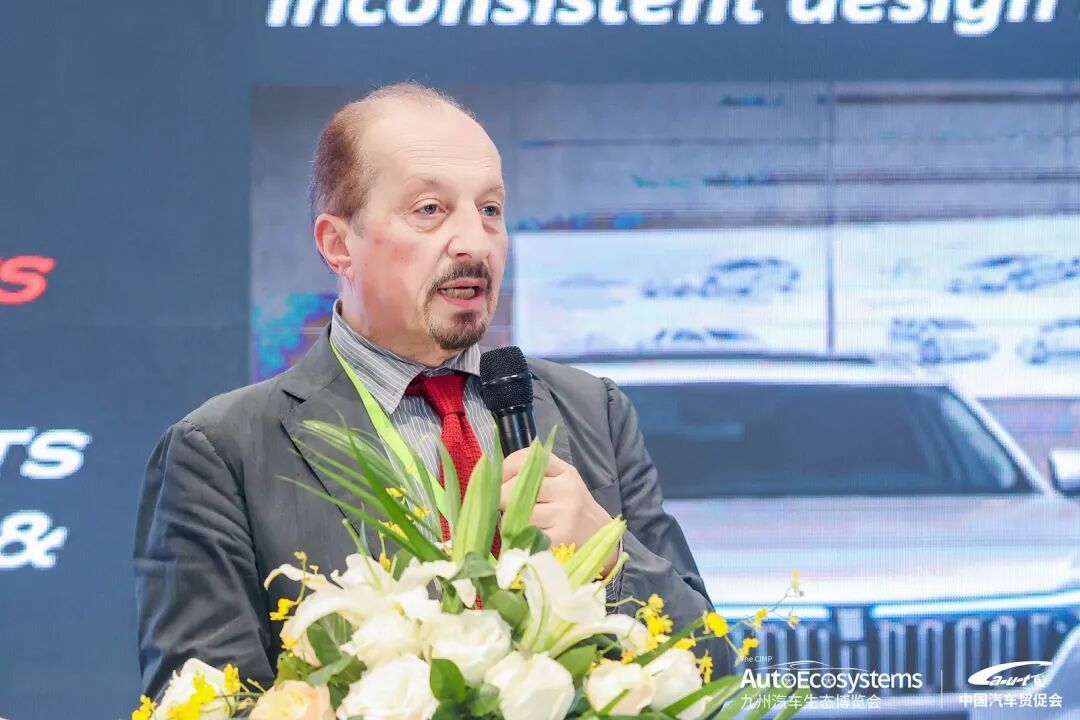 Pietro CamardellaPietro Camardella —
Former Head of the Innovation Department at Pininfarina, Lancia,
and the Fiat Research Center; Designer of the Ferrari F40 and F50
In his keynote speech titled “Italian Synthesis as Identity Architecture for the Chinese Industry: Towards an Automotive Renaissance,” Mr. Pietro Camardella noted:
"China’s automotive industry has achieved in 40 years what took others a century, yet it still faces challenges such as brand identity and product homogenization. At the core of Italian design lies the ability to translate ideas into compelling forms, enabling Chinese automotive brands to develop stronger aesthetics, clearer identities, and deeper emotional resonance. Through long-term collaboration, we can usher in a new automotive renaissance and elevate Chinese automotive brands into globally recognized symbols."
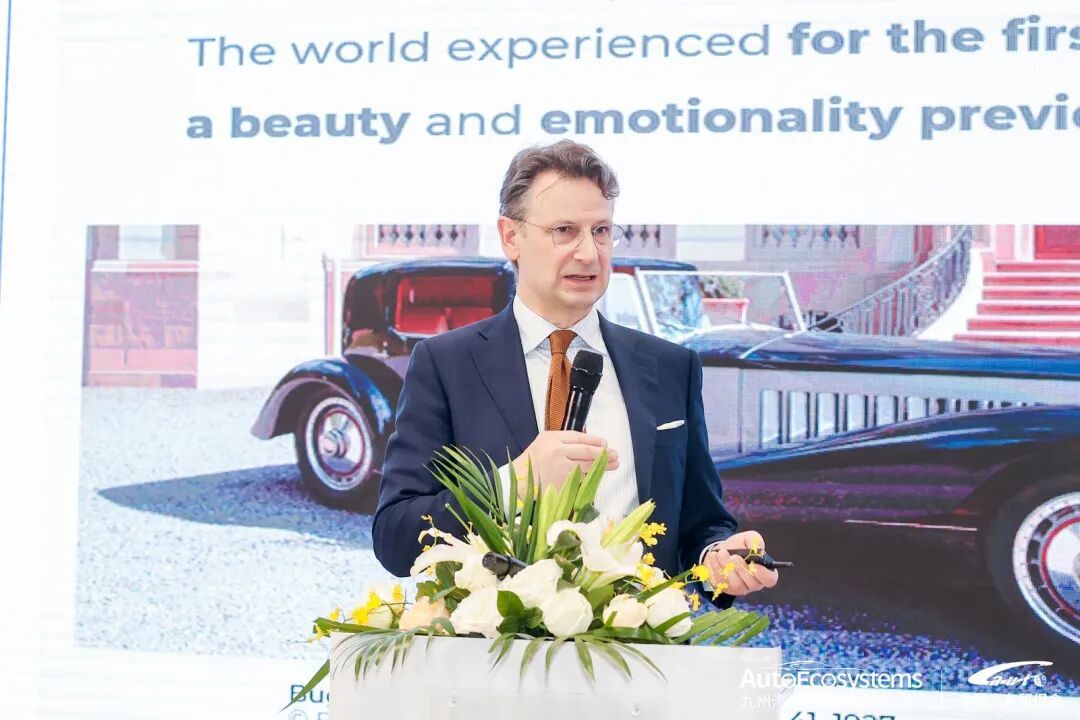
Founder and Creative Director of BONZANIGO; former Vice President of Design at Pininfarina
and former Chief Designer at the PSA Group
In his speech titled "Adaptability of Chinese NEV Design to Meet Global Consumer Preferences," Mr. Carlo Bonzanigo pointed out:
There are clear differences between Chinese and Western automotive cultures and consumer preferences. Western markets place greater emphasis on driving dynamics, design, and brand loyalty, while Chinese consumers focus more on intelligent cockpits and advanced in-car technologies.
China's new energy vehicles demonstrate strong technological capabilities and cost competitiveness, but still lack a clearly defined brand identity. To succeed globally, it is essential to establish a consistent design language and build a distinctive brand identity, enabling stronger resonance with consumers in Western markets."
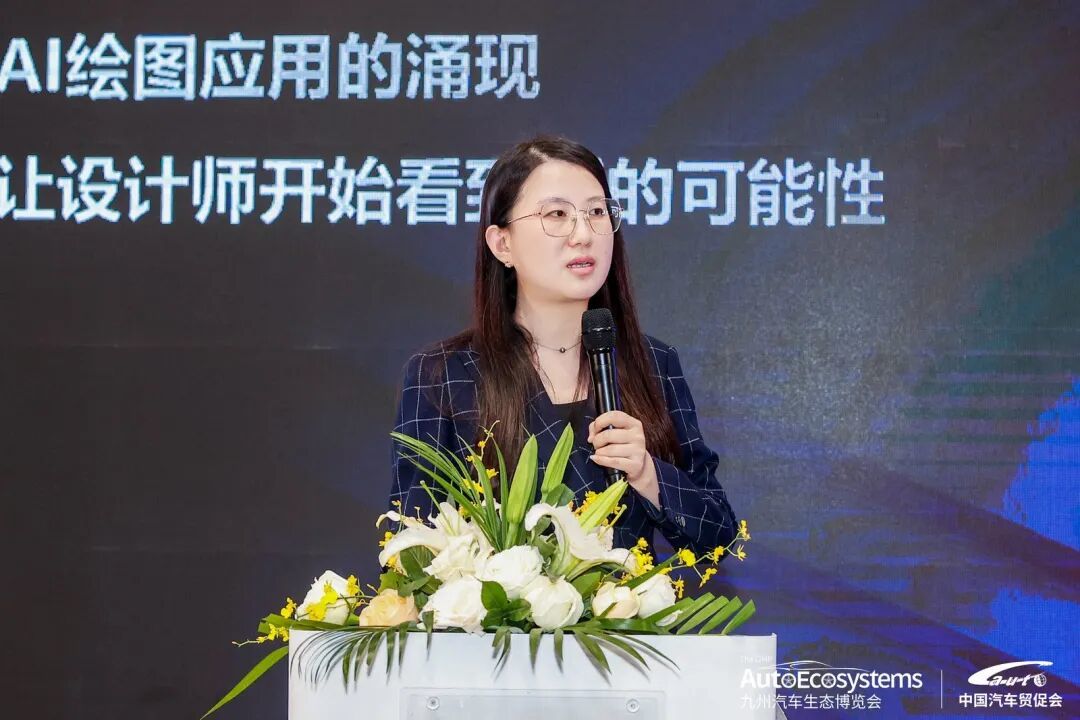
In her keynote speech titled “Reinventing Design Methodology with AI: Taiyi AI in Practice,” Ms. Wang Shiyu emphasized:
"As user demands become increasingly diverse and development cycles continue to shorten, traditional design methodologies are no longer sufficient. The Taiyi AI Design Platform enables a faster, more scalable, and continuously evolving workflow.
By enhancing execution efficiency, collaboration, and knowledge retention, it allows designers to focus on creativity while helping the industry respond more effectively to rapidly changing demands."
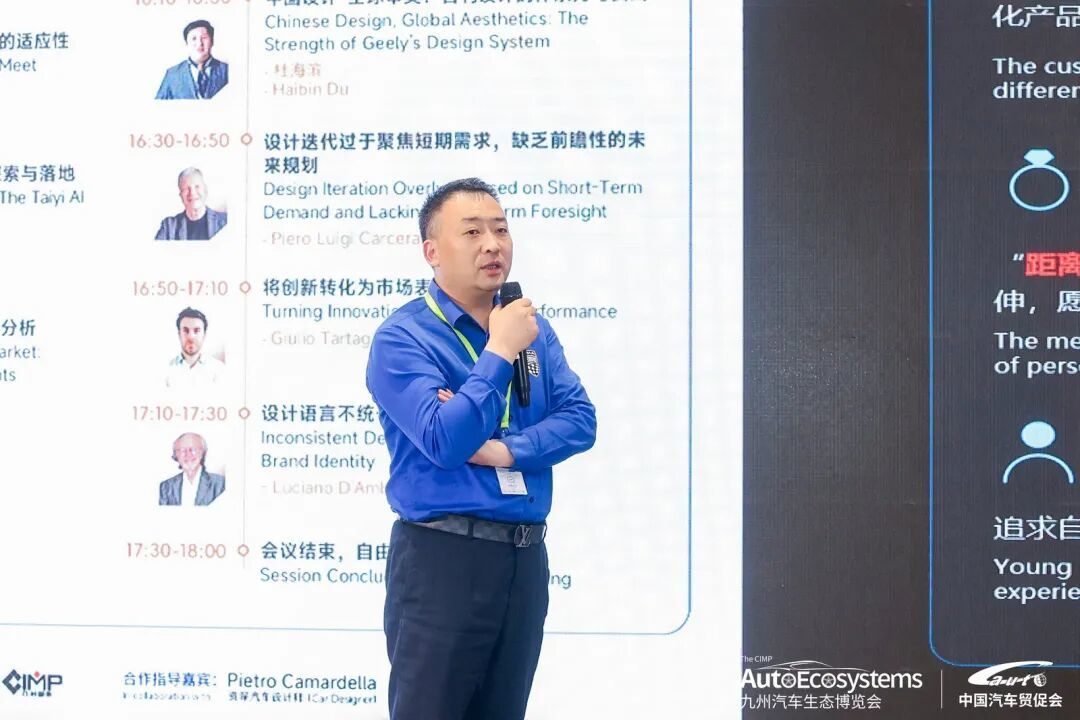
In his speech titled “The Future of China's Custom Vehicle Market: Strategies and Consumer Demand Insights,” Mr. Mike Chen pointed out:
"Today's market is driven by fast product cycles and growing demand for personalized expression, with vehicle customization and modification offering significant growth potential.”
For China's new energy vehicles, building a sustainable automotive culture ecosystem will require a well-structured regulatory framework, advanced customization capabilities, and closer collaboration with OEMs.
"Modification not only enhances product value and extends the vehicle lifecycle, but also strengthens brand value and fosters deeper emotional connections with users. Looking ahead, mutually beneficial collaboration across the industry will usher in a golden era."
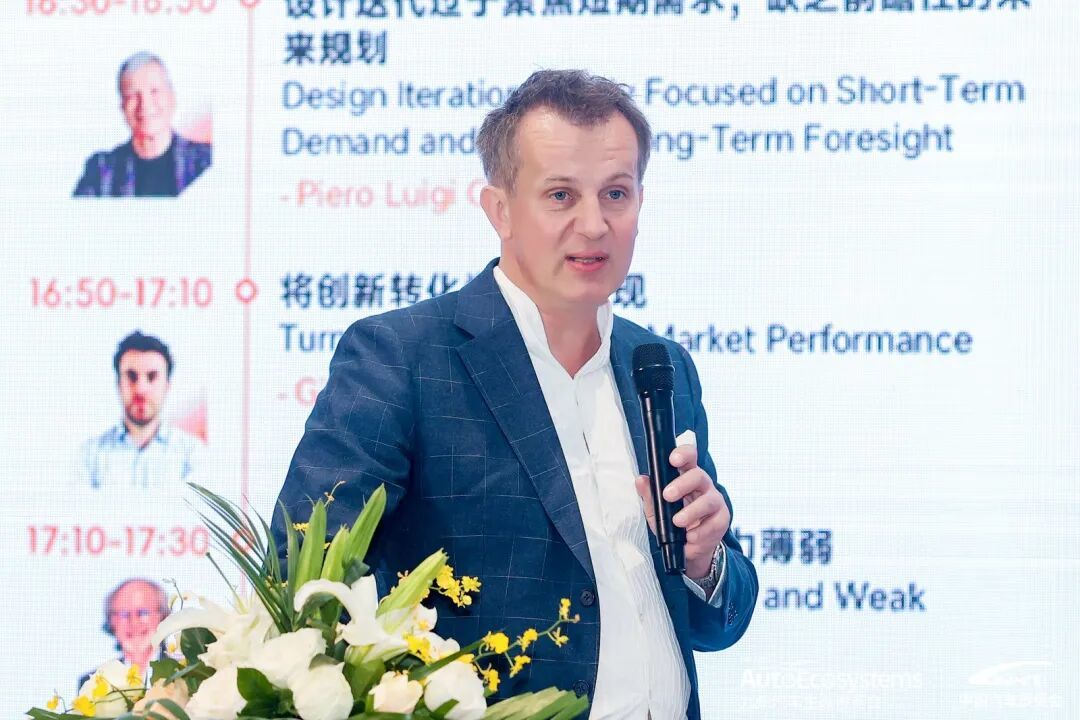
In his speech titled "Path of Evolution," Mr. Samuel stated:
"The advancement of automotive design today lies in establishing identity through brand DNA, achieving differentiation through cultural resonance, balancing Eastern and Western influences, and creating distinctive products through co-creation and collaboration.
Design must move beyond homogenization by infusing products with emotion and craftsmanship, while leveraging tools such as AI to enhance creativity and efficiency. Ultimately, it is about creating products with timeless appeal that resonate with users, enabling Chinese automotive design to compete more effectively on the global stage."
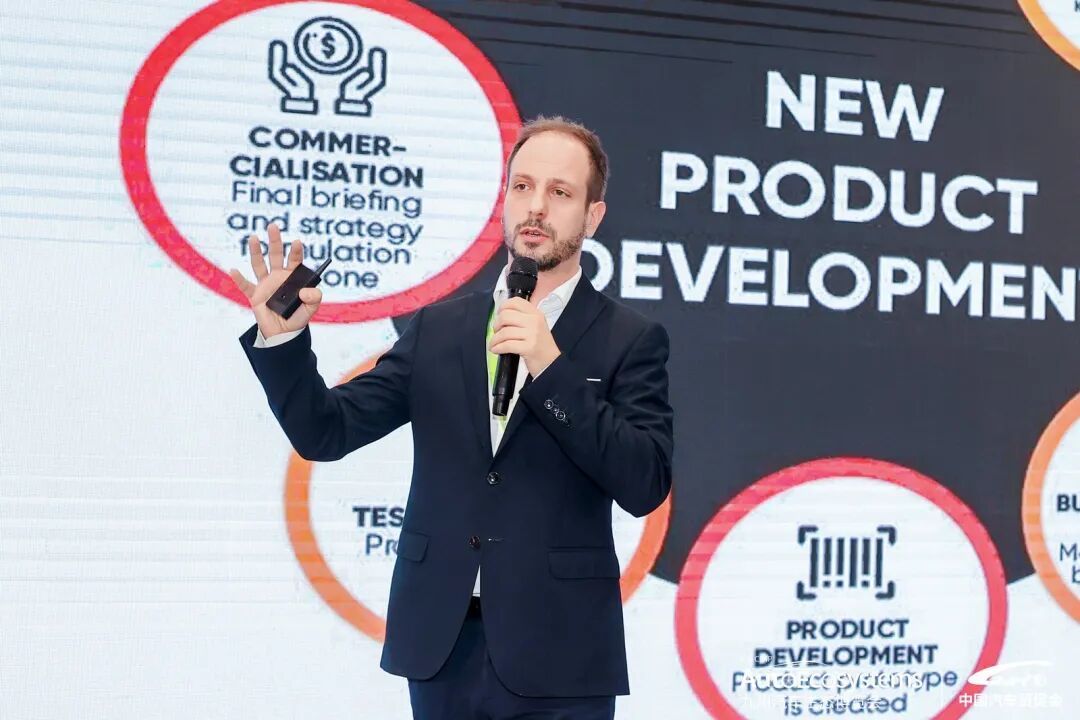
Michele AlberaMichele Albera —
Head of Transportation Design at the Istituto Europeo di Design (IED)
In his speech titled "The Progressive Loss of Brand Identity," Mr. Michele Albera emphasized:
"Despite rapid technological advancement, the automotive industry is facing increasing homogenization and a gradual erosion of brand identity. Where design once embodied freedom and individuality, it is now shaped by more conservative decision-making, influenced by the dominance of SUVs and growing platform convergence.AI should serve as a tool to support, not replace, design leadership. To move forward, design must reclaim creativity, embrace bold experimentation, and create products with emotion and soul—only then can it achieve true timeless relevance."
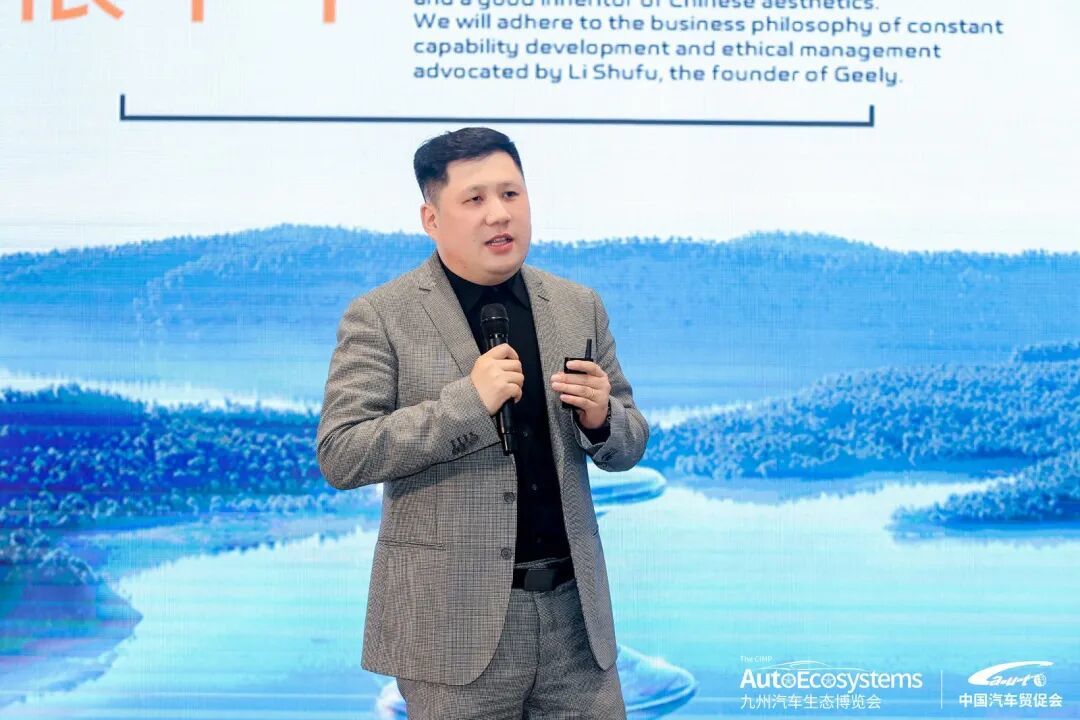
In his speech titled “Chinese Design, Global Aesthetics: The Strength of Geely's Design System,” Mr. Du Haibin stated:
"Geely Design has a team of over 1,000 professionals across four countries and five locations. Guided by the philosophy of ‘Truly Chinese, Not Traditional, More Joyful,’ we interpret Chinese aesthetics through the ‘Ripple of Light’ design language.We focus on user comfort and spatial value, have created successful models such as the Galaxy Series, and actively engage in design education and cultural research—supporting brands in their global expansion through original and high-quality design."
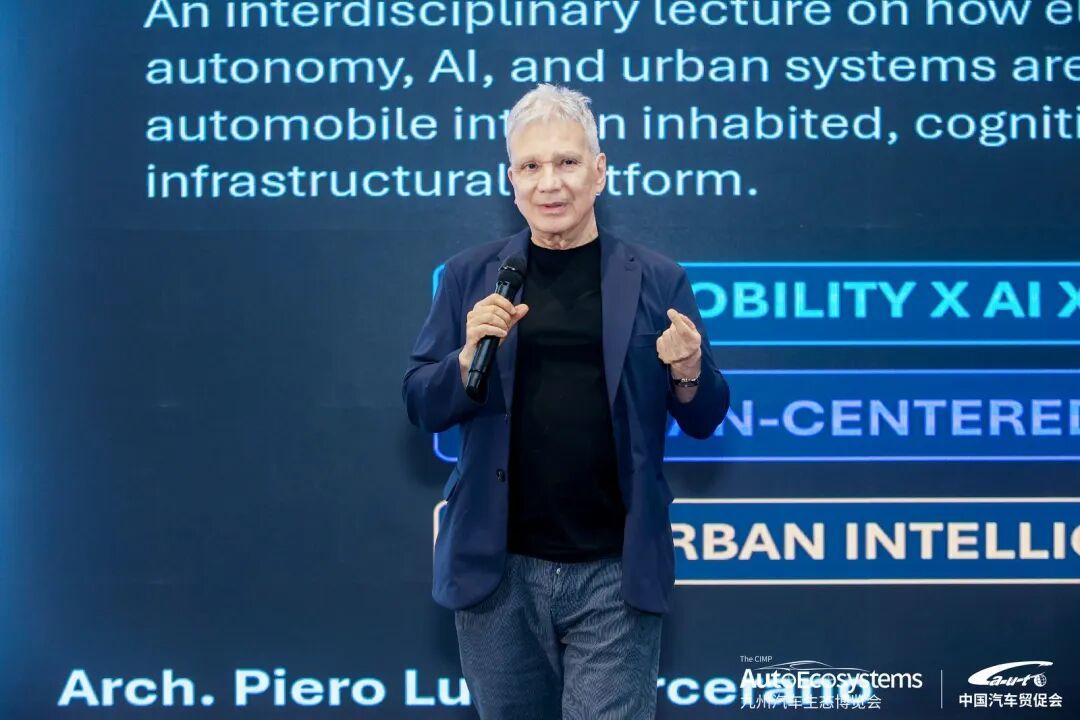
In his keynote speech titled "Overemphasis on Short-Term Demand and the Lack of Long-Term Vision in Design Iteration," Mr. Piero Luigi Carcerano emphasized:
"Automotive design once centered on form and symbolism, but is now being fundamentally reshaped by technology, urbanization, and AI. Looking ahead, design must integrate urban systems, human-machine interaction, ergonomics, and cultural diversity. As China emerges as a key hub of innovation, designers will need to adopt interdisciplinary approaches, embrace change, and apply forward-thinking strategies to shape the future mobility ecosystem."
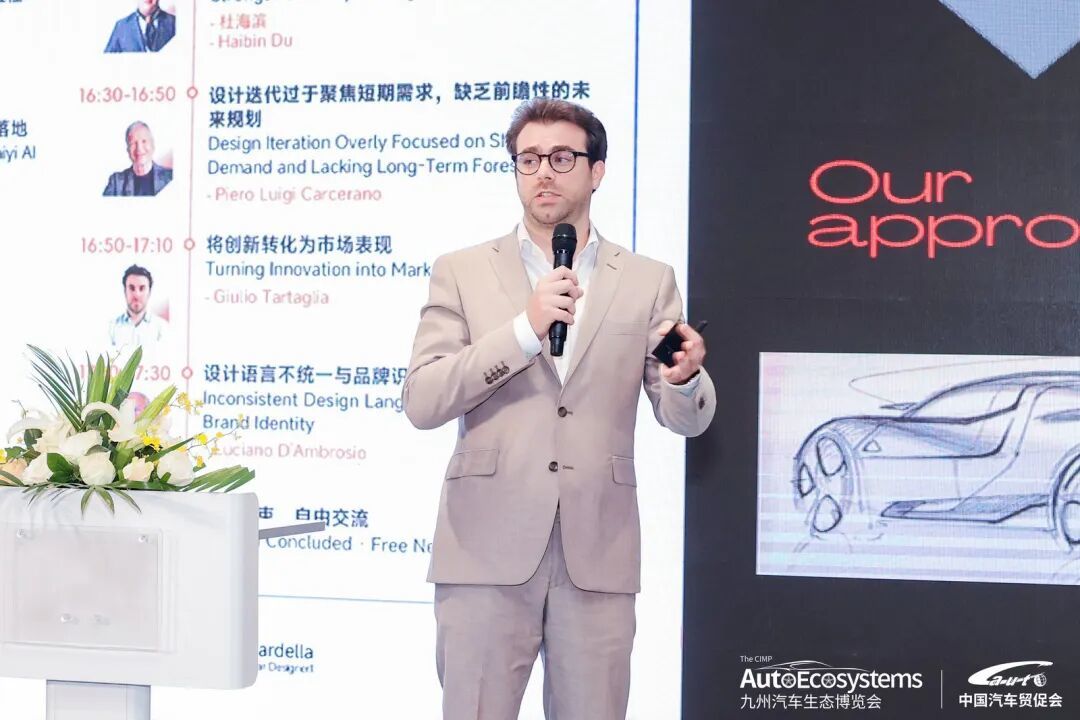
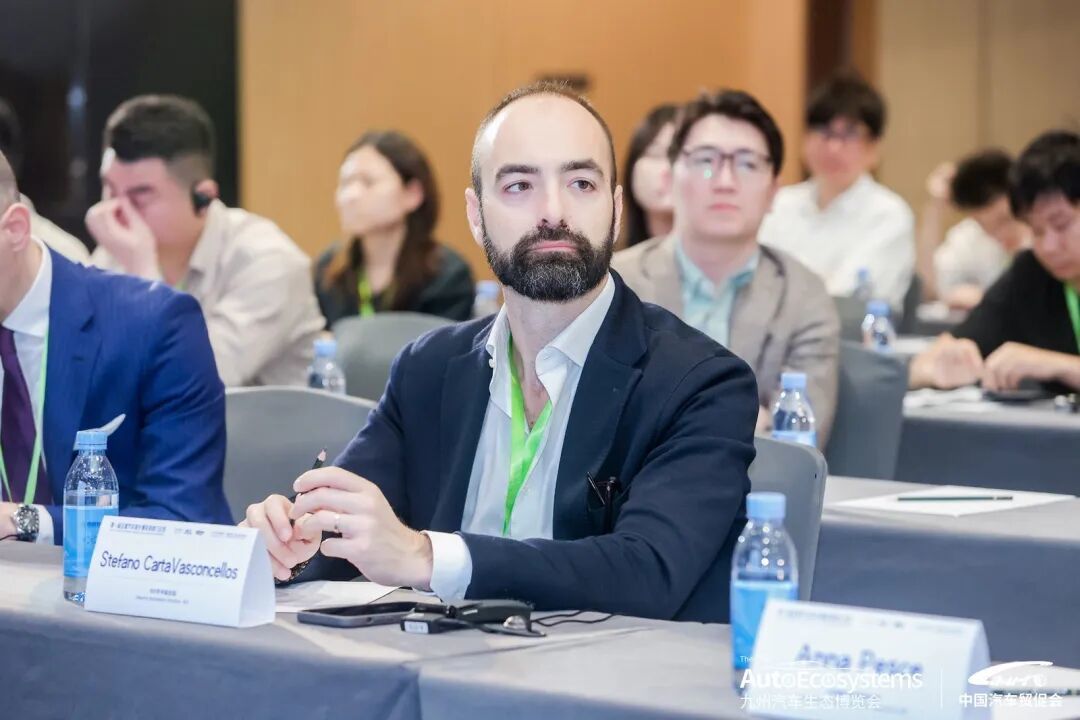
In his speech titled "Turning Innovation into Market Performance," Mr. Giulio Tartaglia stated:
"Futura 22 is committed to original design, working with OEMs to strengthen in-house design capabilities. At its core, this approach upholds brand DNA while leveraging AI to optimize end-to-end design workflows. AI significantly reduces the time required for sketching, modeling, rendering, and video production—cutting weeks of work down to just one to two days. Without compromising design integrity, this enables substantial improvements in both efficiency and output quality."
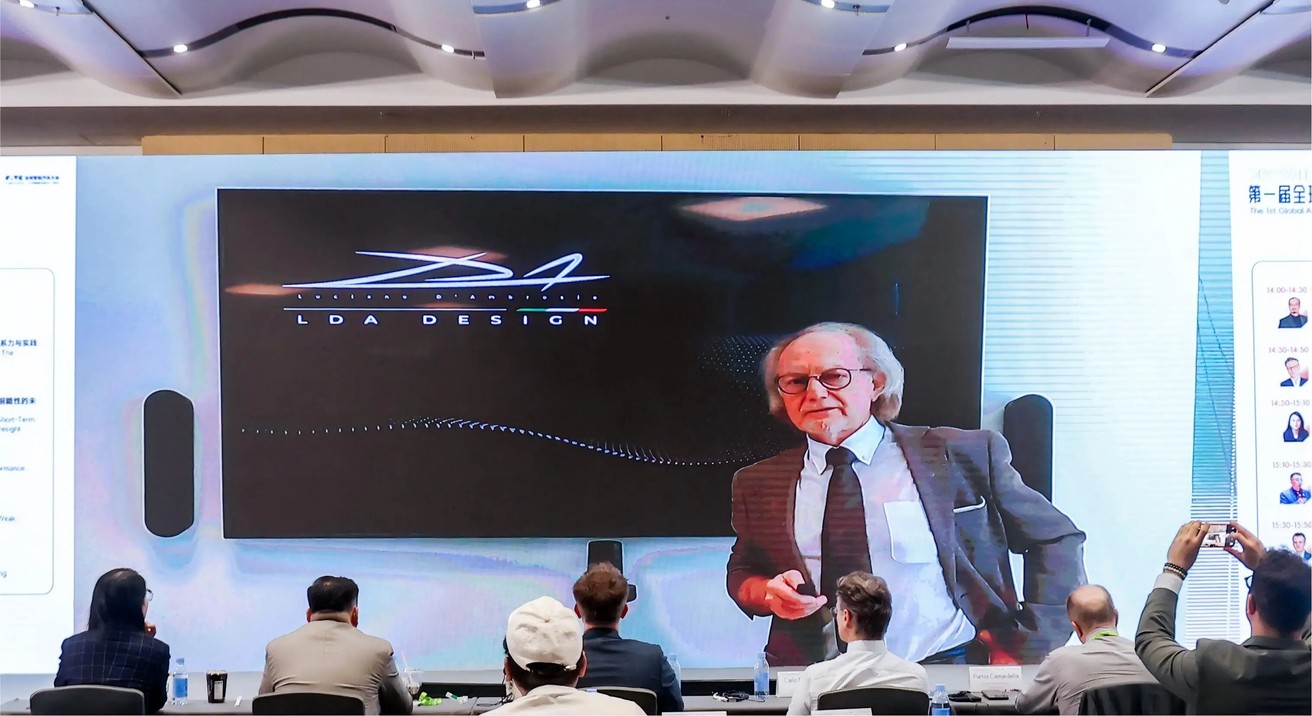
In his speech titled "Inconsistent Design Language and Weak Brand Identity," Mr. Luciano D'Ambrosio stated:
"With over 25 years of experience in automotive design, LDA DESIGN provides end-to-end services from concept to mass production, delivering tailored solutions through its Italian design network.
Today, automotive design is increasingly constrained by regulations, platform strategies, and market pressures, leading to growing homogenization and reduced emotional appeal. Looking ahead, we must overcome these constraints, draw inspiration from nature and everyday life, and further explore innovations in space utilization, materials, and detail design.
Ultimately, it is about returning to human-centered, innovation-driven design—creating products with warmth, character, and the courage to move beyond mediocrity."

Follow Us