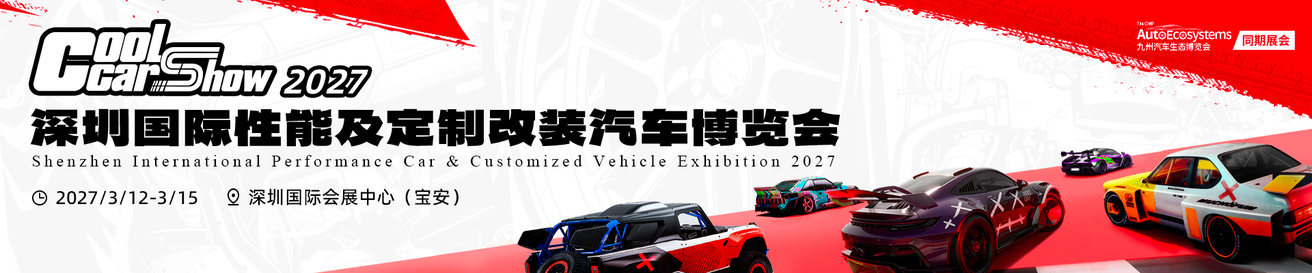
On March 20, the 4th China Performance Car and Customized Vehicle Exhibition 2026 opened at the Shenzhen World Exhibition & Convention Center (Bao’an), bringing together leading customized vehicles and cutting-edge technologies from around the world to drive innovation across the global auto modification industry.
As the intellectual centerpiece of the exhibition, the 2026 China Performance Car and Customized Vehicle Summit was successfully held on March 21 under the theme Foresight, Restructuring, Empowerment. Representatives from industry organizations, experts, brand leaders, and senior enthusiasts gathered to explore pathways for the high-quality development of China’s performance and custom vehicle sector, injecting strong momentum into the industry’s transition toward greater compliance, professionalism, and internationalization.
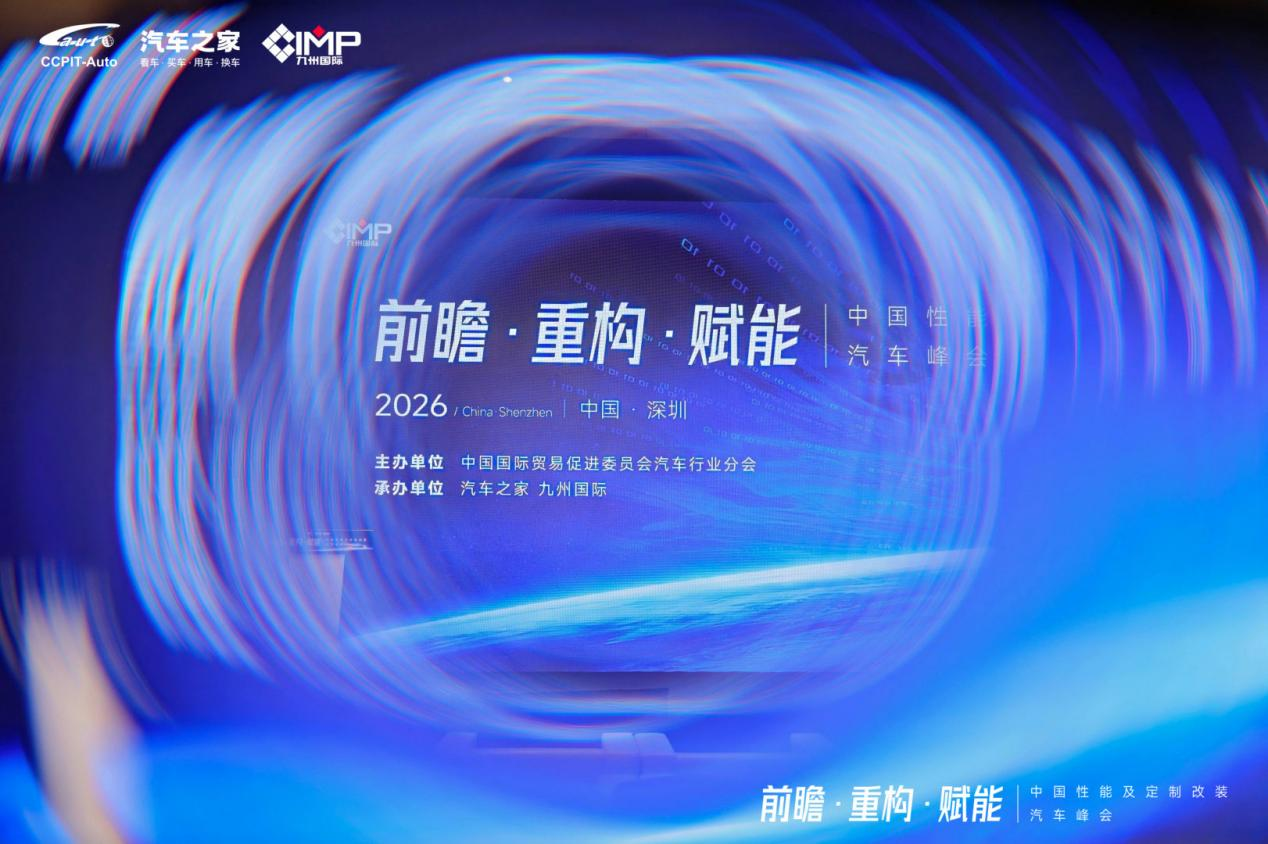
The summit was hosted by the China Council for the Promotion of International Trade Automotive Sub-Council (CCPIT-AUTO), and co-organized by Autohome and CIMP. It brought together representatives from industry organizations, renowned experts, and leading enterprise executives to discuss the pathways for the standardized, professional, and international development of the automotive modification industry, and to outline the future blueprint of China's modification industry. At the opening ceremony, Li Jianjun, Special Assistant to the President of CCPIT-AUTO, and Wang Qiufeng, President of Autohome, delivered opening remarks.
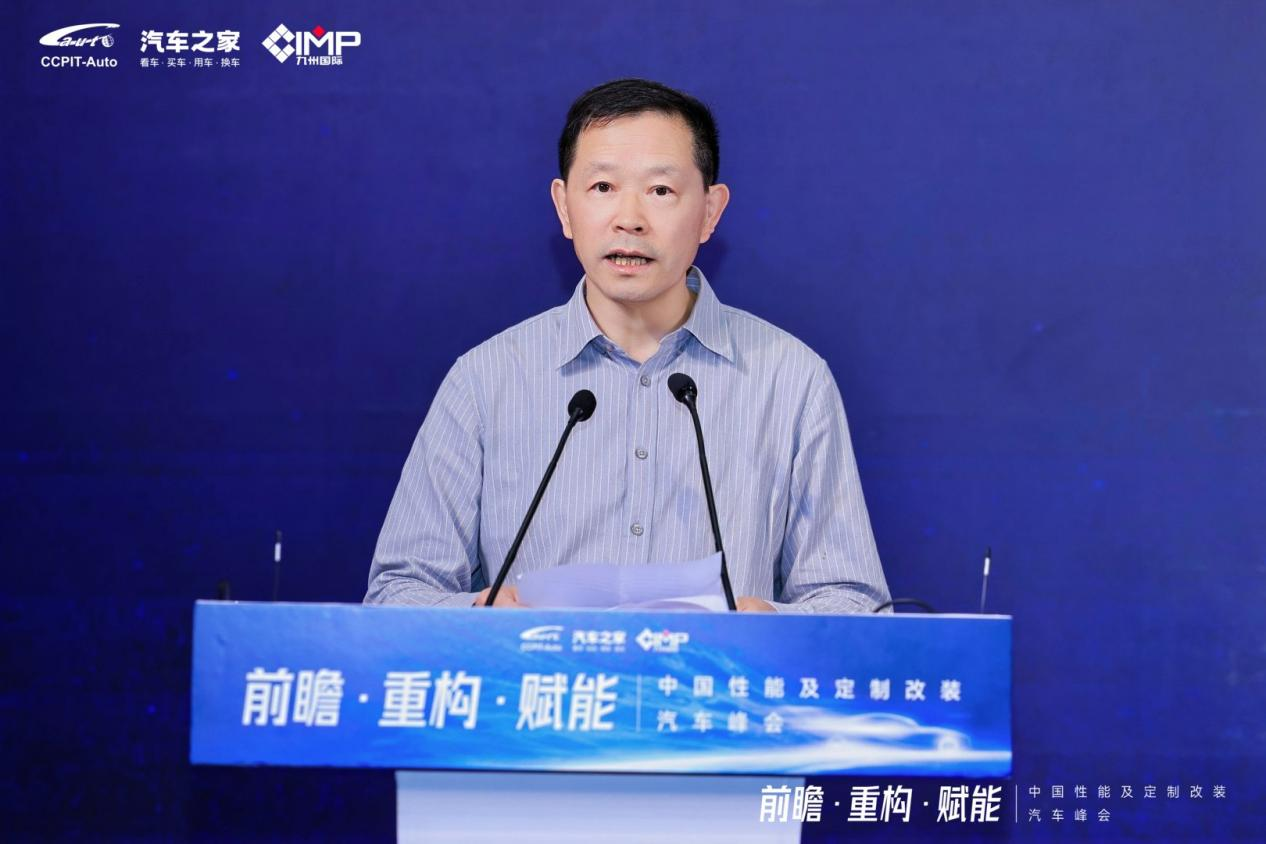
Li Jianjun summarized the current industry landscape through three dimensions: changes in consumer demand, changes in policy, and changes in the industry ecosystem.
On the consumer side, Generation Z has become a core driving force in the market. For this generation, vehicles are no longer merely a means of transportation, but a medium for community-based social interaction and a carrier of personal expression. As a result, demand for personalized and scenario-based modifications is growing rapidly.
On the policy side, the joint policy document issued by nine government departments to further unlock the potential of the automotive aftermarket has accelerated the compliance-driven development of the modification industry.
On the ecosystem side, OEMs are strategically expanding into the customization and modification business, while modification brands are increasingly integrating with technology, cultural tourism, motorsport, and other sectors. A diversified and symbiotic industrial ecosystem is taking shape at an accelerated pace.
Echoing the theme of the summit, Li called on the industry to pursue standardized development, use innovation to overcome product homogenization, and uphold the principle of open collaboration, working together to build a brighter future for the sector.
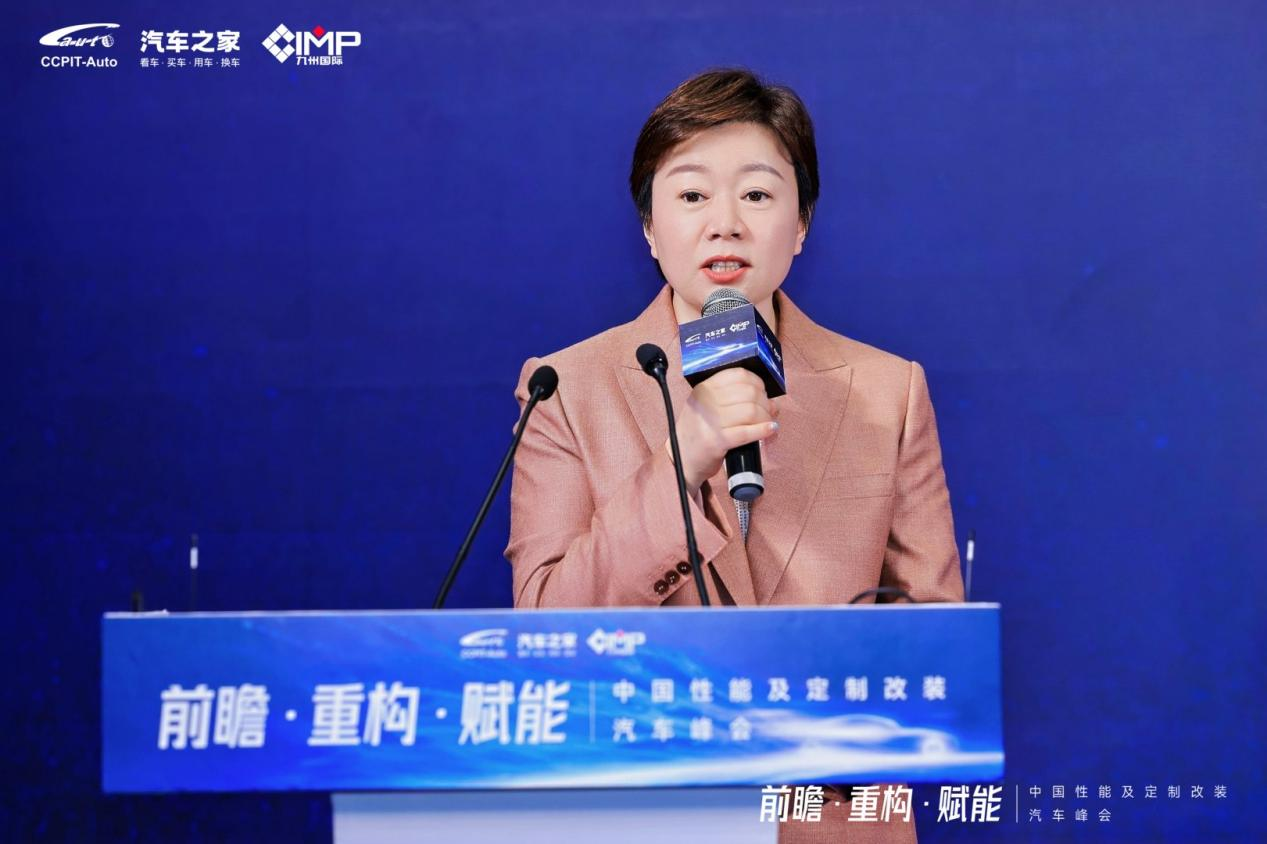
2026 is expected to become a milestone year for China's automotive customization and modification industry, said Wang Qiufeng, President of Autohome, in her opening remarks.
She noted that, with continuous improvements in top-level policy design, China’s automotive customization and modification market ecosystem may undergo a fundamental restructuring. In November 2025, six government departments, including the Ministry of Industry and Information Technology, jointly issued the Implementation Plan on Enhancing the Adaptability of Consumer Goods Supply and Demand to Further Promote Consumption, which, for the first time, incorporated automotive modification into China’s national consumption-promotion strategy.
During the same period, the implementation of the Motor Vehicle Safety Technical Inspection Regulations (GA 801-2025) further clarified the boundaries for modifications in areas such as vehicle exterior, interior, and intelligent equipment, providing clear guidance for the industry’s compliance-based development.
By the end of 2025, China’s vehicle parc had reached 366 million units, while an increasingly younger consumer base continues to unlock significant growth potential in the performance vehicle and custom modification markets.
Wang Qiufeng stated that, as a leading one-stop automotive lifestyle service provider, Autohome has long promoted car ownership and car culture through content, social engagement, digital tools, and other platform-based services, creating a more diverse and engaging environment for automotive enthusiasts.
Looking ahead, Autohome will continue to strengthen its support for the sector. Its Zhi Jia Media MCN will expand recruitment of leading content creators in the modification field; the China Performance Car Special Award, jointly launched with the TADA Turin Automotive Design Award, has officially been initiated; and its racing team will return to the CGT series in collaboration with the MCN network, leveraging top-tier IP resources to further increase the visibility of modification culture.
Autohome will continue to leverage its platform strengths to promote positive interaction among OEMs, aftermarket companies, and consumers, working together with the industry to usher in a golden era for the customization and modification sector.
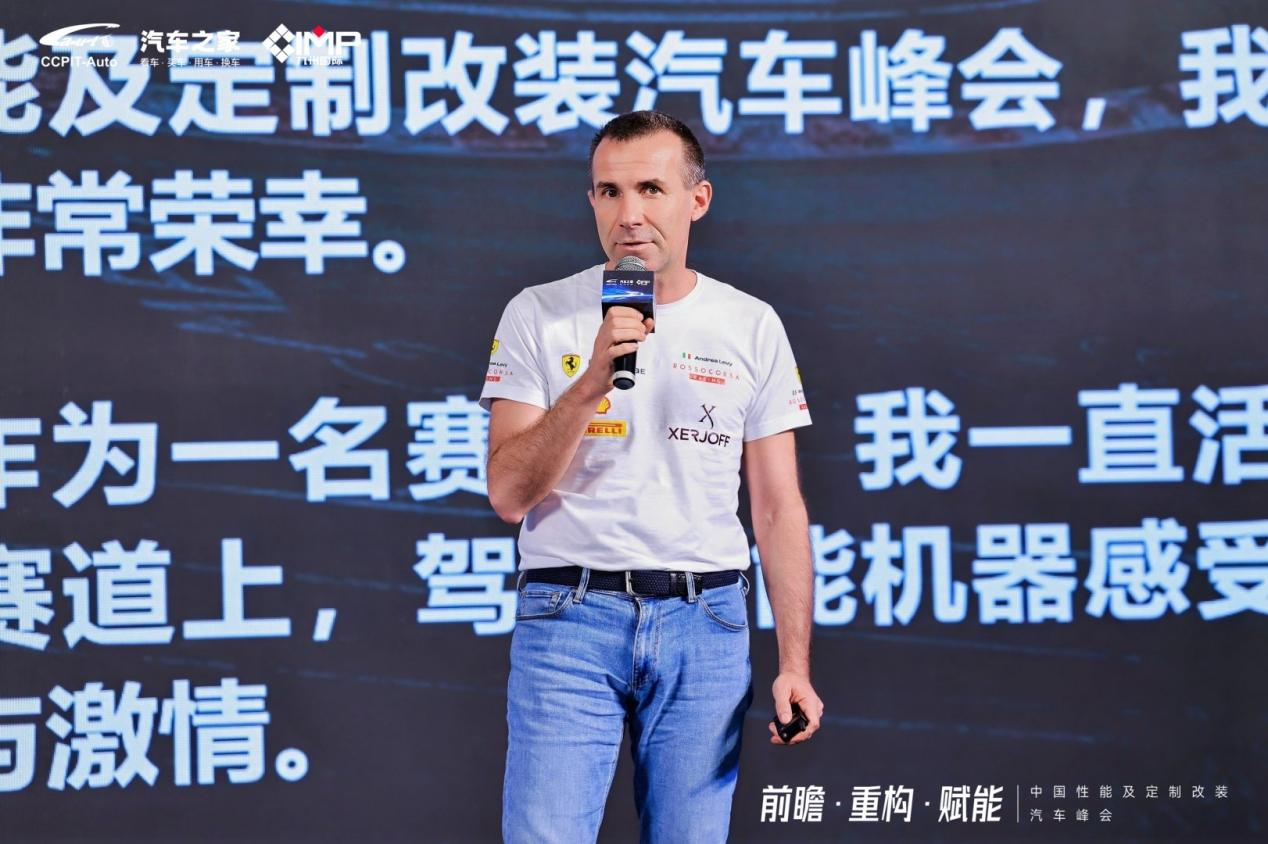
As an important partner of Autohome, Andrea Levy, President of the Turin Auto Show and Chairman of the TADA Turin Automotive Design Award, delivered remarks at the summit. He noted that the innovative practices emerging from China's automotive modification industry are attracting increasing global attention, and that the stories of Chinese customized vehicles will be seen by the world in the future.
Cui Dongshu, Senior Economist and Secretary General of the China Passenger Car Association, delivered a keynote speech titled "Trend Analysis of the Automotive Market and Modification Industry," outlining the industry’s development trajectory with comprehensive data insights.He pointed out that China's automotive modification industry is advancing rapidly, with a compound annual growth rate of 15%. The sector has evolved from a niche enthusiast market into a new stage of mass-market customization, with compliance, professionalism, and intelligence becoming its core development directions.
According to Cui, consumer demand is now being driven by both Generation Z and the "S Generation." Younger consumers are seeking greater personal expression, while mid-to-high-end consumer groups, supported by strong wealth accumulation, are becoming an important growth driver.
He also noted that vehicles are increasingly becoming a "third space" for modern lifestyles. To move beyond niche communities and reach a broader mass market, modification culture must be deeply integrated with trends, technology, social interaction, and other lifestyle elements.
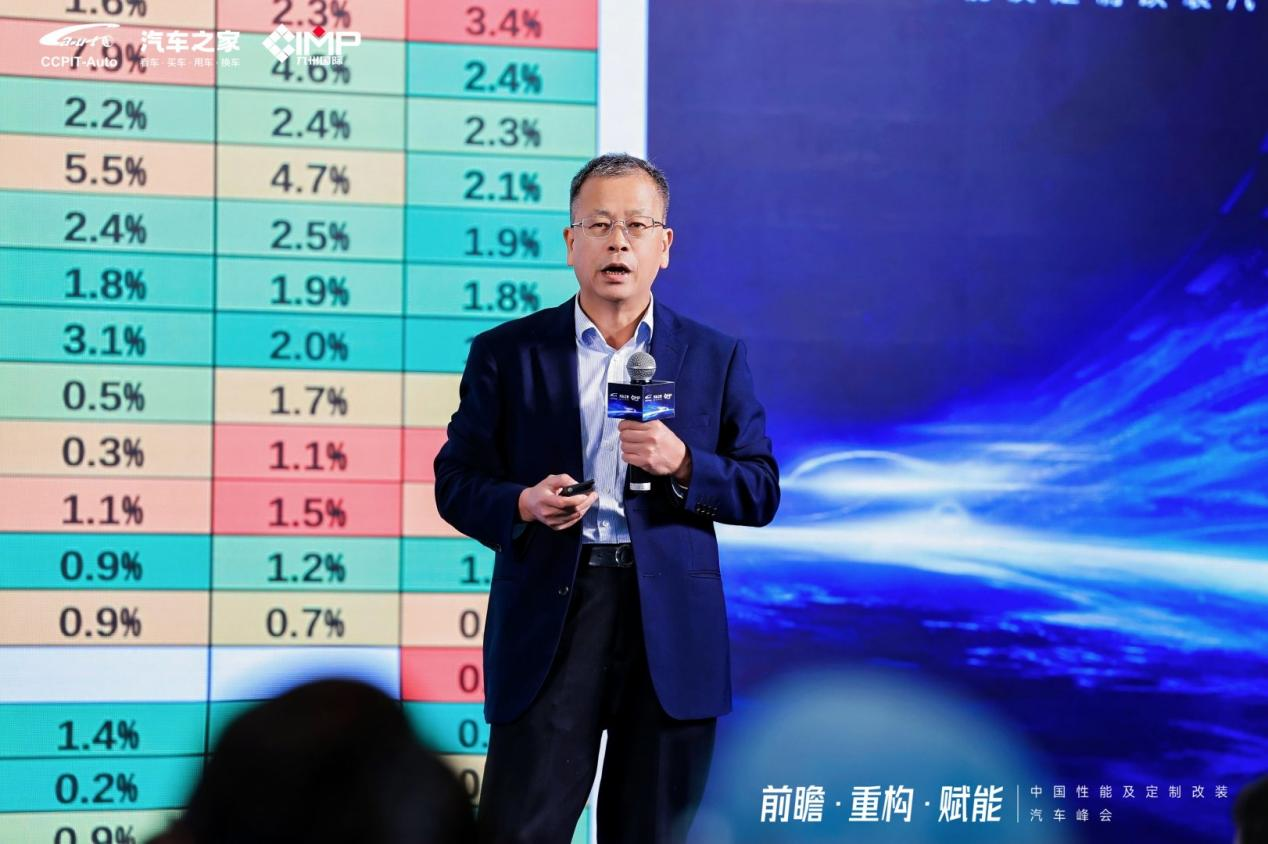
Shi Haitao, Founder of iAcro, also known as "Kudang Laoye," delivered a speech titled "Building China's Own Automotive Modification Culture," sharing his key insights from 16 years of deep involvement in the industry.
He noted that the essence of Chinese modification culture lies in being rooted in local aesthetics, open to diverse influences, and driven by the shared growth of different enthusiast communities. In his view, vehicle modification is not merely about changing a car, but about expressing individuality, attitude, and one's understanding of life.
Using the integration of Yanjing Eight Imperial Handicrafts lacquer carving techniques into automotive interiors as an example, he emphasized that Chinese modification culture should absorb global influences while incorporating distinctive Chinese elements.
Today, explorations such as the Chinese-style trend-inspired livery of the Tank 300 and the cyberpunk-inspired styling of the Lynk & Co 03 are gradually shaping a unique CDM style.
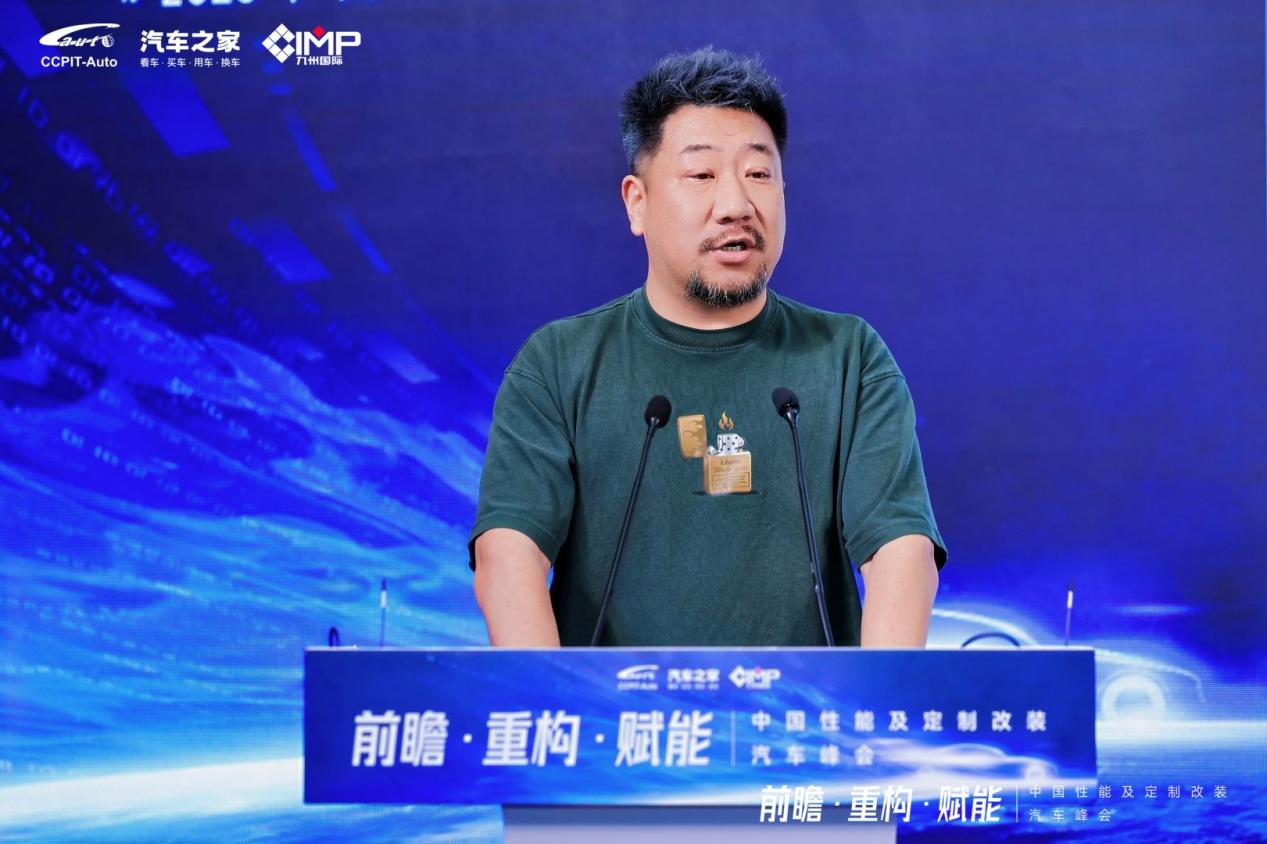
During the roundtable session, Huo Yujia, Head of IP Content at Autohome, and Chen Yu, Secretary General of the Automotive Cultural Tourism Branch of the China Association for the Promotion of Cultural Industry and Founder of Auto Influencer Club, served as moderators.Dozens of industry experts and corporate representatives engaged in in-depth discussions around two key topics: Scenario-Based Exploration of the Integration of Modification with Cultural Tourism, Motorsport, and Other Sectors and Ecosystem Co-Creation: Collaborative Breakthroughs for OEMs and Modification Brands.
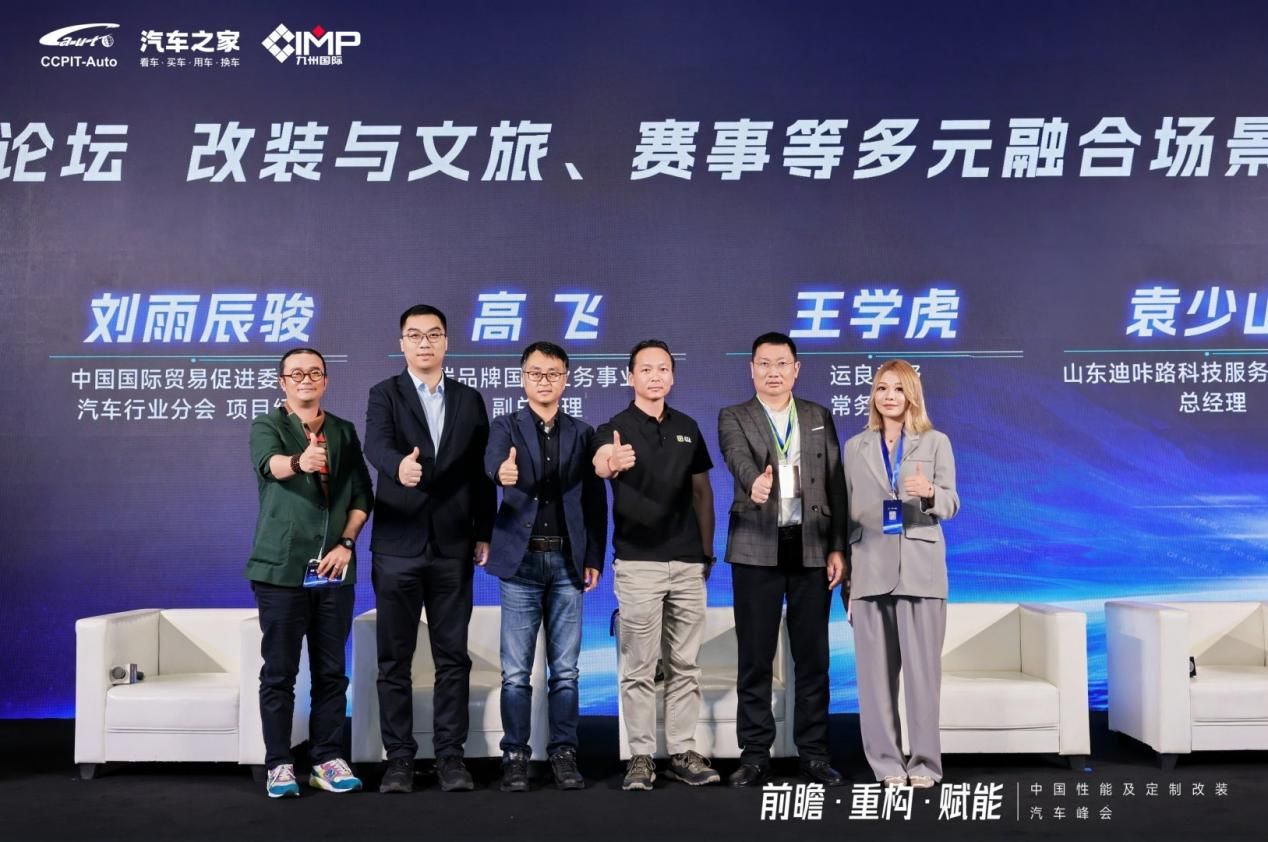
Regarding the topic of diversified integration, the guests reached a shared view that automotive modification is evolving beyond standalone performance enhancement into a comprehensive ecosystem deeply connected with city branding, motorsport IP, and cultural tourism experiences.
Liu Yuchenjun, Project Manager of CCPIT-AUTO, cited the F1 Chinese Grand Prix in Shanghai as an example. Supported by a related automotive culture festival, the event generated RMB 5.5 billion in city-level revenue, demonstrating the strong potential of integrated development.
Gao Fei from Chery stated that the rapid development of China’s automotive industry has laid a solid foundation for cultivating modification culture. In the future, China is expected to develop distinctive motorsport events and a modification culture with its own characteristics.
Wang Xuehu from Yunliang Off-Road shared practical experience in scenario-based operations, highlighting how collaboration with OEMs to organize motorsport events can bring racing culture closer to consumers.
Yuan Shaoshan from Shandong Dicalu Technology noted that vehicle color change, as an entry-level modification category, is becoming an important way for young consumers to express individuality. New coating technologies and flatter design approaches are expected to inject fresh vitality into the industry.
Dou Yushan from Feizi Brakes shared the example of the brand supporting a Chinese racing team in winning a championship, demonstrating how Chinese manufacturing is gaining recognition in high-end motorsport while, in turn, helping raise industry standards.
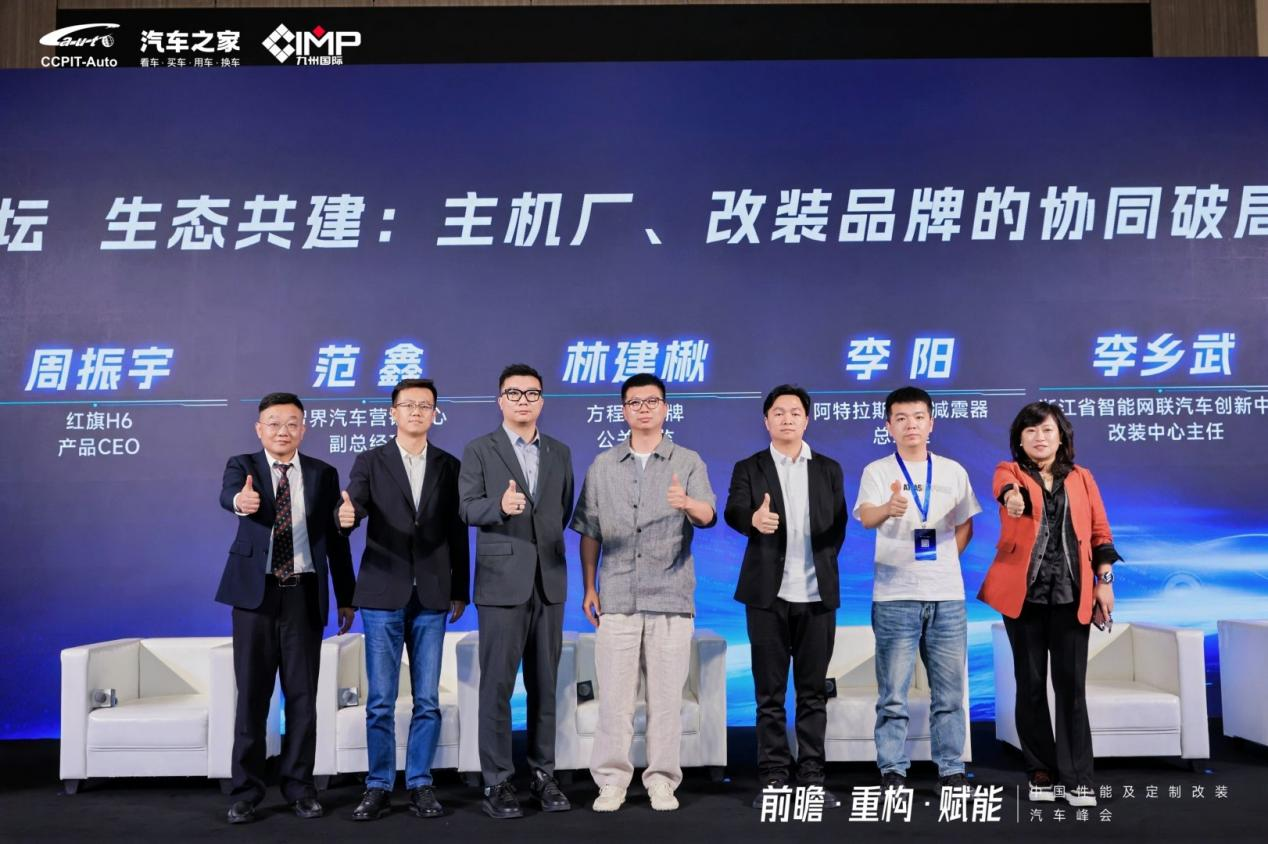
On the topic of ecosystem co-creation, the discussion focused on the core principle of collaborative value creation.
Zhou Zhenyu from Hongqi defined the role of OEMs as both "gatekeepers" and "navigators," emphasizing the need to open data and interfaces in a tiered manner while maintaining safety as the bottom line.
Lin Jianqiu from Fangchengbao shared the brand's experience in brand co-creation, highlighting how modification can be extended into the integration of intelligent ecosystems.
Fan Xin from Luxeed proposed building a three-party co-creation ecosystem among OEMs, users, and modification companies, using digital tools to collect and integrate user ideas.
Li Yang from Atlas stated that the company will work with OEMs to jointly develop and test products, ensuring diversified and highly stable solutions that can adapt to different usage scenarios.
The guests also pointed out several key challenges, including insufficient access to core data, the need to further improve compliance standards, and difficulties in building a closed-loop commercialization model. They called on the industry to work together to address these issues and establish safety standards and mutually beneficial cooperation models.
The exhibition highlights underscored both technological innovation and distinctive local characteristics. Domestic modification brands showcased a wide range of independently developed core components, including nitrogen shock absorbers, forged brake calipers, and lightweight body kits. Among them, products such as Feizi Brakes’ 7075 one-piece forged racing calipers and Atlas’ multi-scenario adaptive shock absorbers demonstrated the technological breakthroughs of Chinese manufacturing in the modification sector.
International brands also presented their latest race-grade modification solutions, creating opportunities for technical exchange and complementarity with local enterprises.
New energy vehicle modification became a major focus of the exhibition. Brands including BYD, Chery, and Fangchengbao showcased scenario-based modified vehicles for camping, off-road driving, and other lifestyle applications. Modification solutions such as intelligent cockpit upgrades and battery safety optimization also attracted wide attention.
The successful conclusion of the 2026 China Performance Car & Customized Vehicle Summit outlined a clear blueprint for the future development of China's automotive modification industry. Standing at a new starting point for high-quality development, the industry's continued growth will depend on standardized development, innovation-driven progress, and open collaboration. Only by working together to break boundaries and empower one another can all stakeholders bring Chinese automotive modification culture to a broader global stage.
As a leading one-stop automotive service platform in China, Autohome has continued to deepen its cross-sector integration efforts, driving innovation and transformation across China's automotive modification industry. Looking ahead, as China's modification industry enters its true golden era, Autohome will continue to leverage its platform strengths through content communication, user operations, and resource integration. By empowering industry players to better understand consumer demand, Autohome will help promote positive interaction among OEMs, modification companies, and consumers, working together with industry partners to shape a brighter future for China’s automotive modification sector.

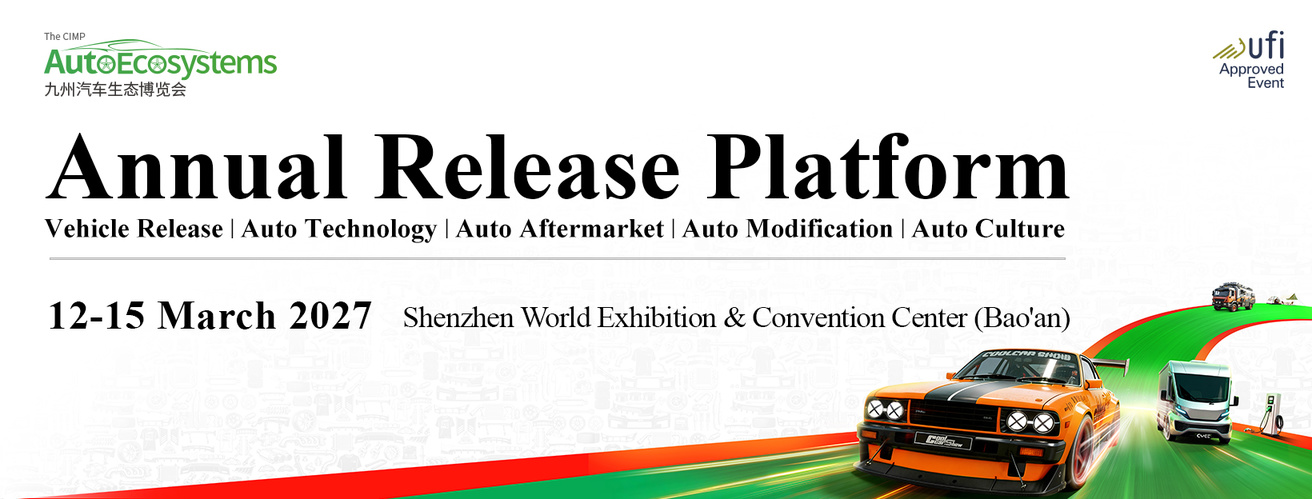
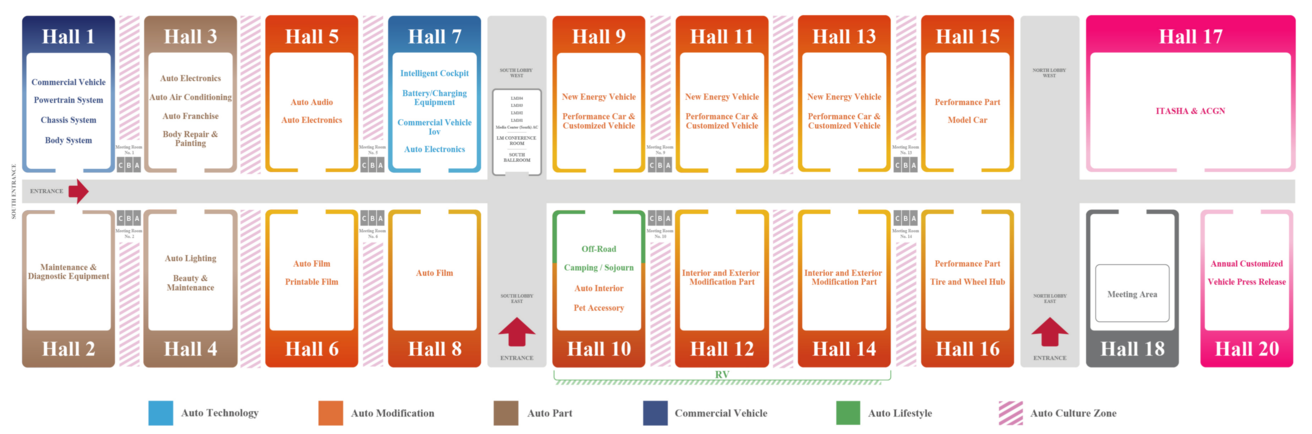
The CIMP AutoEcosystems Expo, established in 2006, has become a leading automotive industry ecosystem trade platform in Asia. With 26 successful editions to date, the expo stands as the world’s first full-industry-chain B2B2C automotive ecosystem exhibition and trade platform, connecting OEMs, suppliers, auto parts companies, aftermarket service providers, modification brands, technology companies, and consumers. Positioned around "Technology, Fashion, and Trade" the expo covers both passenger and commercial vehicle markets, with a focus on global vehicle release, auto technology, auto modification, auto aftermarket, and auto culture. It builds a comprehensive ecosystem integrating product showcases, sourcing and trade, trend releases, industry networking, and cultural experiences. The 2027 edition will reach a total scale of 600,000 square meters, bringing together 120 carmakers and 7,000 companies across the automotive industry. It is expected to welcome more than 500,000 domestic buyers and 20,000 international buyers for product procurement, creating unmatched business opportunities across the entire automotive supply chain. More than 80 international summits and events will be held concurrently. As an annual benchmark for the global automotive industry, the CIMP AutoEcosystems Expo is not only a vital platform for sourcing new products and identifying emerging trends, but also a key driver of innovation, ecosystem integration, and automotive culture development.
Follow Us