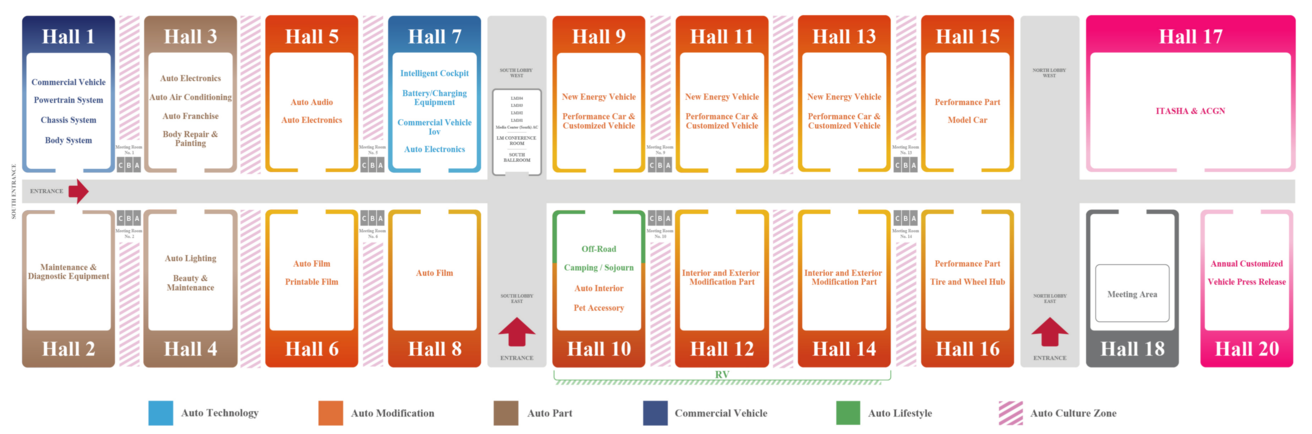
GIVC The 3rd China New Energy Vehicles International Trade Summit was held at Shenzhen World Exhibition & Convention Center (Bao’an) on March 20, 2026, as one of the core concurrent events of the 2026 CIMP AutoEcosystems Expo. Under the theme “Global Win -Win, Sustainable Ecosystem,” the summit brought together representatives from government authorities, automotive manufacturers, industry associations and other sectors to explore new pathways for the global expansion of Chinese new energy vehicle industry, while building a platform for exchange and collaboration to support the industry’s sustainable growth.
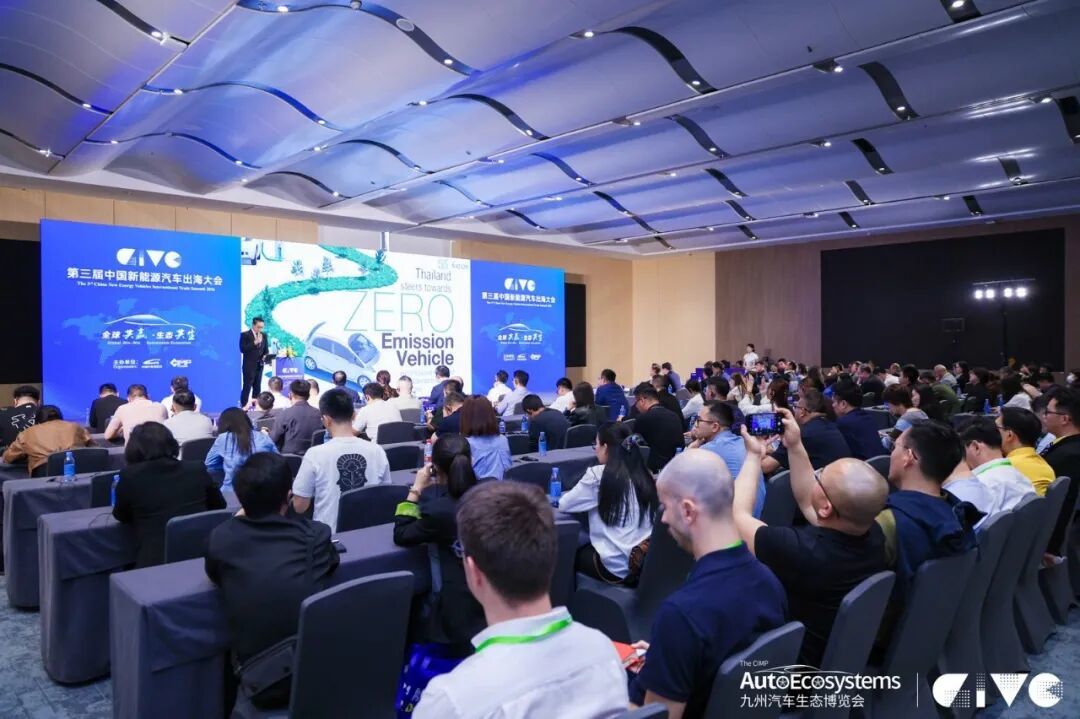
The global automotive industry’s transition toward electrification and intelligence, globalization has become an inevitable path for the development of China’s new energy vehicle industry. Industry data shows that China remained the world’s largest automobile exporter in 2025, while exports of new energy vehicles more than doubled year on year. From January to February 2026, China’s new energy vehicle exports continued to double, accounting for nearly 50% of the country’s total automobile exports. Against this backdrop, the summit served as an important platform to address key challenges in global expansion and build industry consensus.
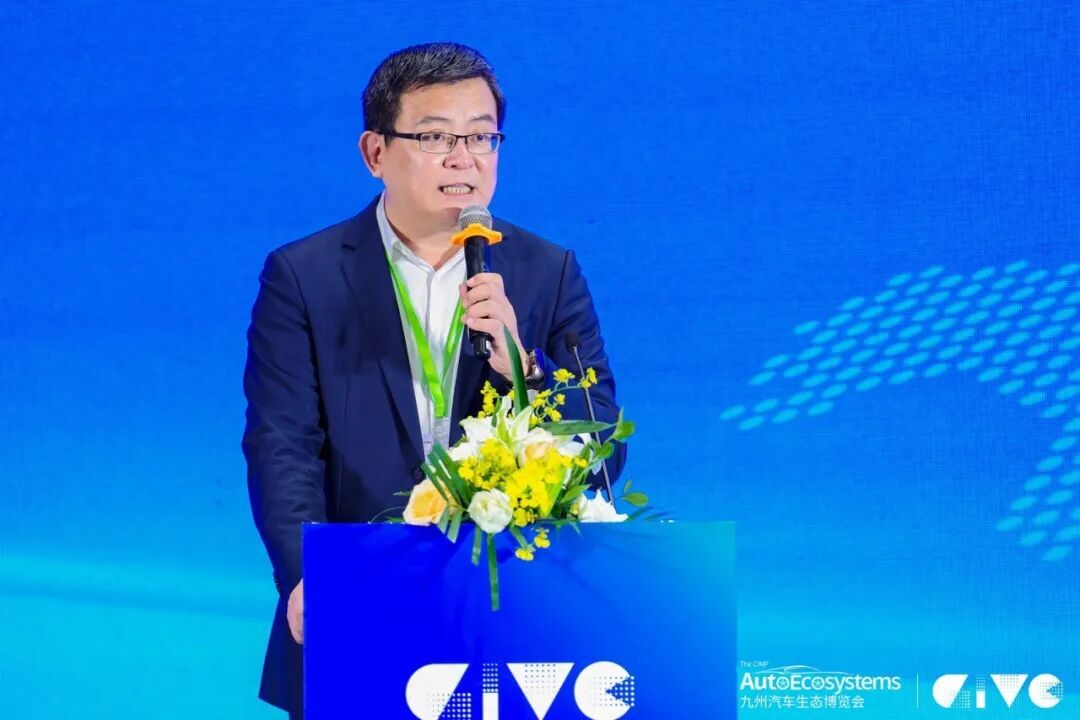
During the opening remarks, Tang Shangxing, Deputy Director of the Shenzhen New Energy Vehicle Industry Office, stated that Shenzhen is accelerating its efforts to build itself into a next-generation, world-class automotive city. By pursuing integrated development across manufacturing, transportation and trade, and by leveraging its geographic and industrial strengths, Shenzhen aims to support the transformation of China’s automotive industry from product-based exports to ecosystem-driven global expansion, while positioning itself as a key gateway for Chinese automotive brands going global. He also noted that the Shenzhen Municipal Government has set out clear plans in 2026 to support the international development of the full value chain of new energy vehicle and auto parts manufacturing. The city is currently conducting intensive research into enterprises’ needs for global expansion and is preparing to introduce dedicated support policies to safeguard and facilitate their overseas development.
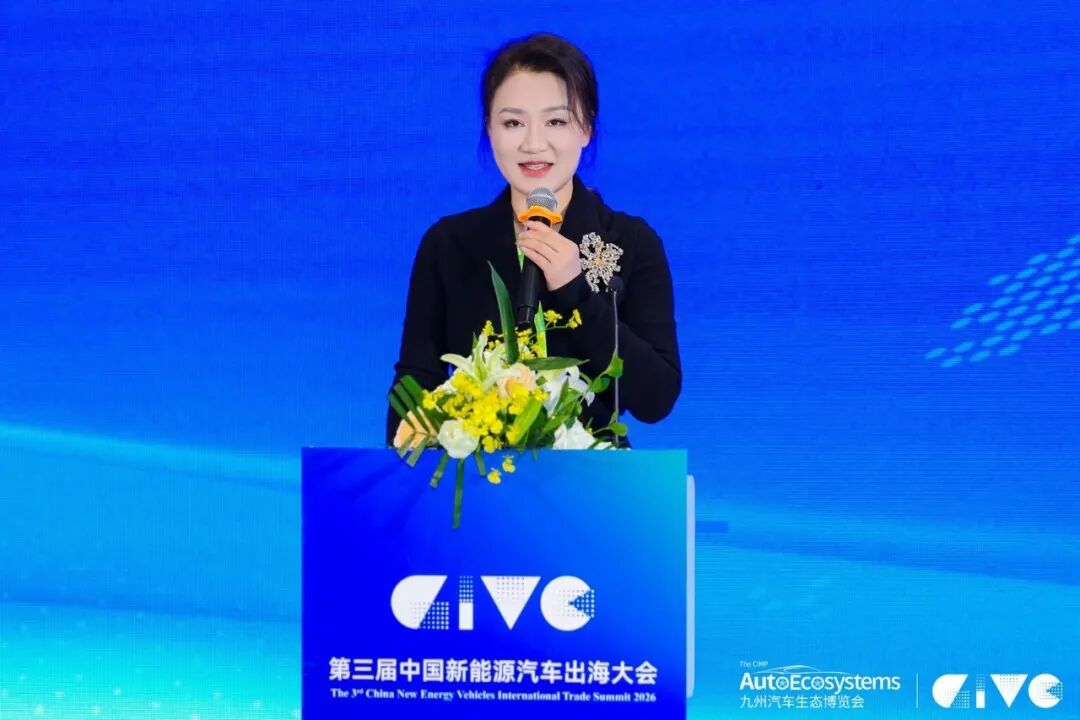
Ms. Lan Haiyan, Director of CIMP, stated in her remarks that China has made a significant leap in the new energy vehicle sector, moving from a follower to a global leader, supported by a complete supply chain and advanced technologies. She emphasized that the global expansion of Chinese automotive brands has entered a critical phase of moving deeper into local markets, requiring a shift from exporting complete vehicles to globalizing the entire value chain, and joint efforts to build an ecosystem for win-win development.
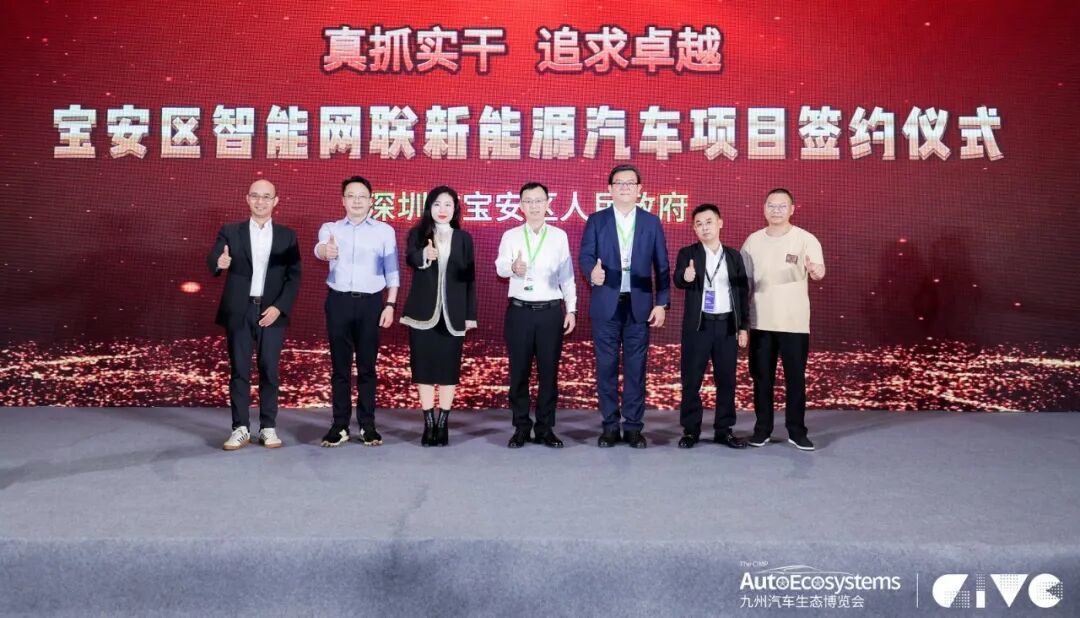
The signing ceremony for Bao'an District Intelligent Connected New Energy Vehicle Projects was also successfully held during the summit. The ceremony featured 5 leading automotive enterprises in the area of automotive safety glass R&D, autonomous driving, full-lifecycle services for new energy vehicles, and powertrain developments. The project injected new momentum into the international development of Shenzhen’s new energy vehicle industry and provided a practical example of coordinated global expansion across the automotive value chain.
In the keynote session, guest speakers from Thailand, Indonesia, and Austria shared insights into opportunities and practices experience in the global market development.
Chaowchai Jiemvijid, Former Head of the Subcommittee on Border Trade (Southern China) and Member of the Working Committee on China, noted that Thailand known as the "Detroit of Asia" and a gateway to ASEAN, is actively accelerating the electrification of its automotive industry. The country aims to have electric vehicles account for 30% of total vehicle production by 2030. Chinese brands currently hold a dominant share of Thailand’s EV market, with their combined market share exceeding 70%, while BYD has become a leading player in the local EV segment. He added that Thailand welcomes Chinese enterprises to invest and establish a presence in the country through supportive policies and improved infrastructure, with the goal of jointly building a China-Thailand EV ecosystem.
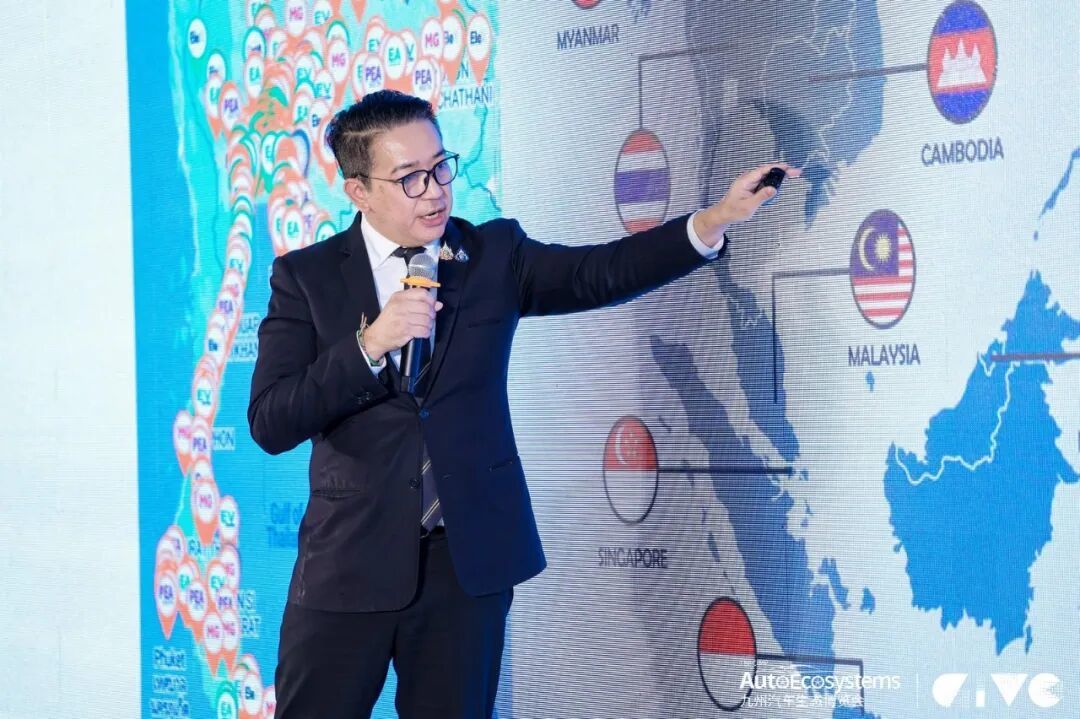
SOMSAK SRIRATANAPRAPAS, President of BRG Group, one of Thailand’s leading automotive dealership groups, drew on his hands-on market experience to emphasize that Chinese automakers seeking to deepen their presence in Thailand should focus on localized operations and aftermarket service upgrades. He noted that competitive pricing and advanced technologies are the key factors attracting Thai consumers to Chinese electric vehicles. However, brand trust, after-sales service and spare parts supply remain urgent challenges to be addressed. He suggested that Chinese automakers strengthen cooperation with local dealers and improve their service systems in order to build a sustainable long-term presence in the Thai market.
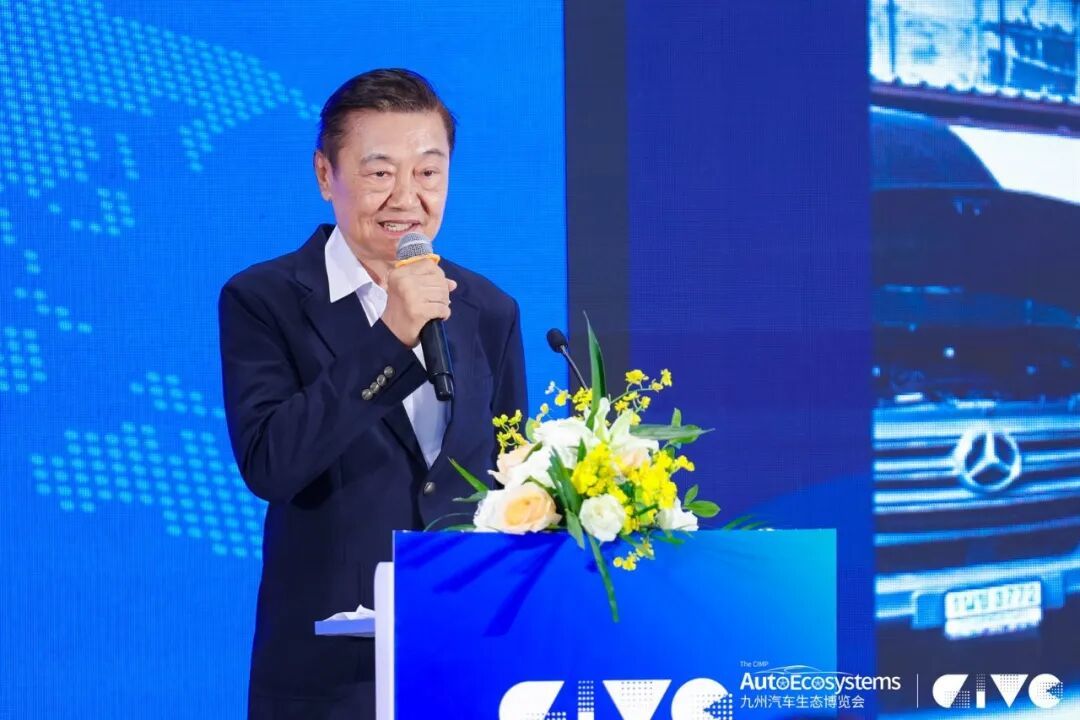
Christoforus Ronny Ng, Director of Arista Group, an Indonesian automotive dealership group, stated that Indonesia, with its large population, offers significant potential for the new energy vehicle market. He noted that in 2025, battery electric vehicles accounted for 12.1% of the local automotive market, while Chinese brands gained strong recognition among Indonesian consumers through technological advantages and accessible pricing, with several BYD models ranking among the top sellers in the local EV segment. He also cautioned that Indonesia has ended its tax incentives for imported new energy vehicles and will further strengthen local production requirements. He suggested that Chinese automakers expand local procurement and production in line with Indonesia’s TKDN local content policy to achieve sustainable development.
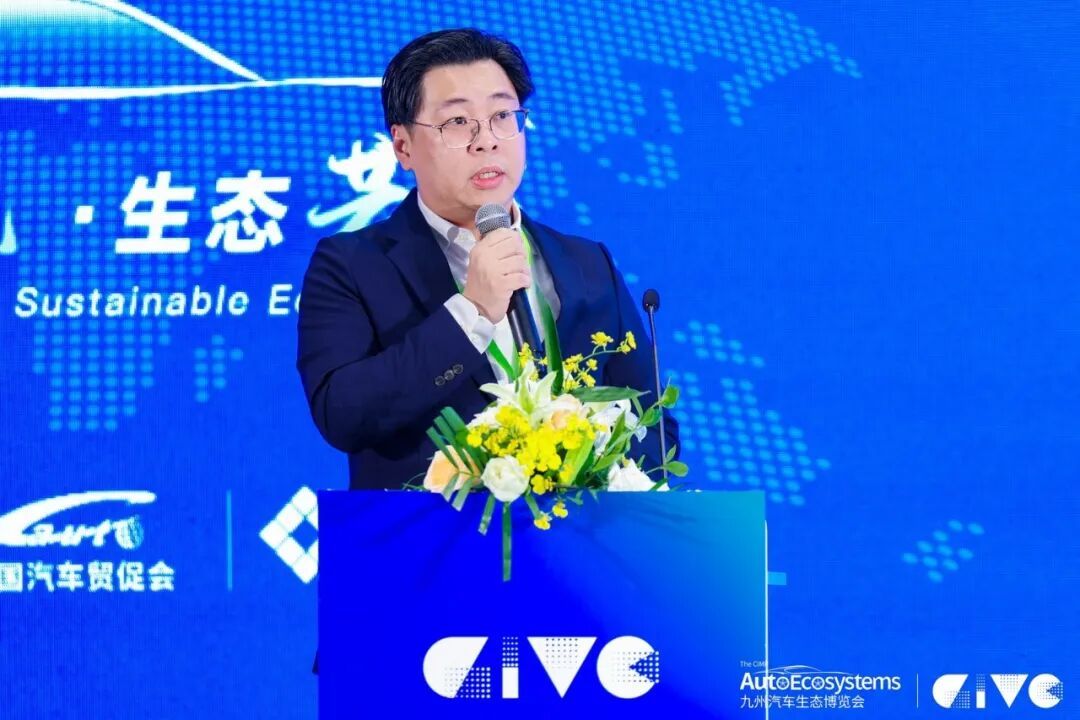
Matthias Adelwöhrer, Director Asia of the Austrian Business Agency, and Wu Shanshan, Chief Representative for China of the Austrian Business Agency, jointly shared cooperation opportunities in the European market. They noted that Austria, as one of Europe’s industrial powerhouses, has a strong automotive sector with an output value of around EUR 17 billion, and distinctive strengths in automotive engineering, lightweight technologies and intelligent systems. As an important gateway to the European market, Austria has also attracted Chinese automakers and commercial vehicle manufacturers, including XPeng, GAC and Sinotruk, to explore local production and manufacturing cooperation in the country.
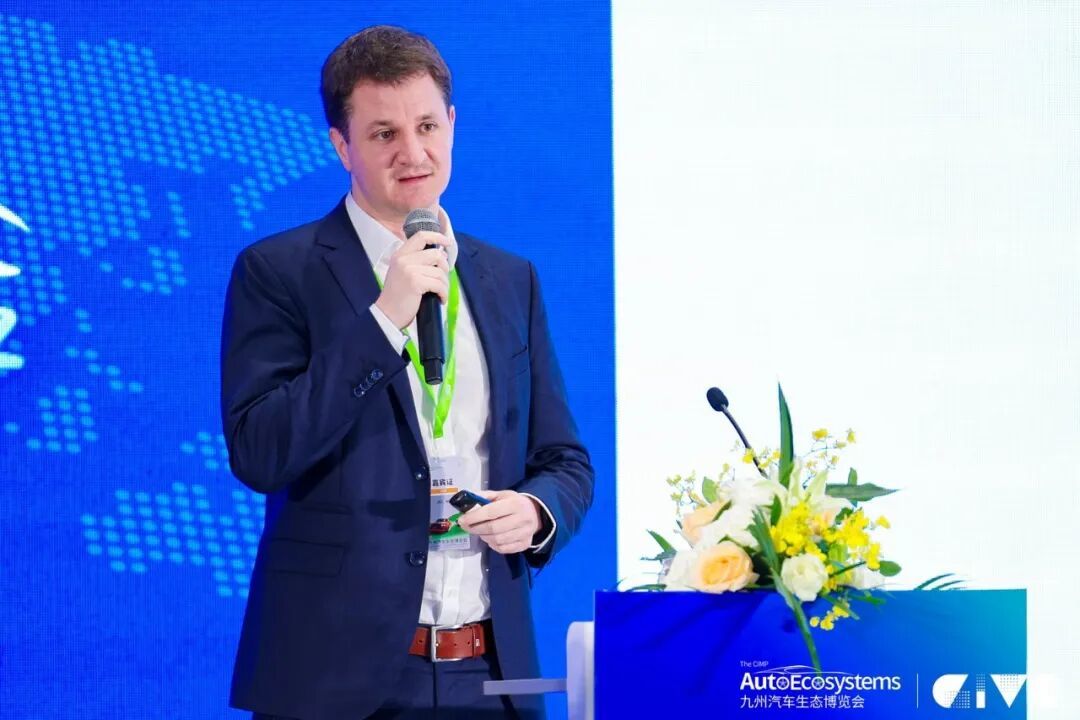
The Austrian government has introduced a range of innovation support policies, with R&D investment accounting for more than 3% of GDP each year. Supported by well-developed infrastructure and a stable, cooperative employment environment, Austria welcomes Chinese automakers to invest in R&D and leverage the country’s strategic location to expand further into the European market.
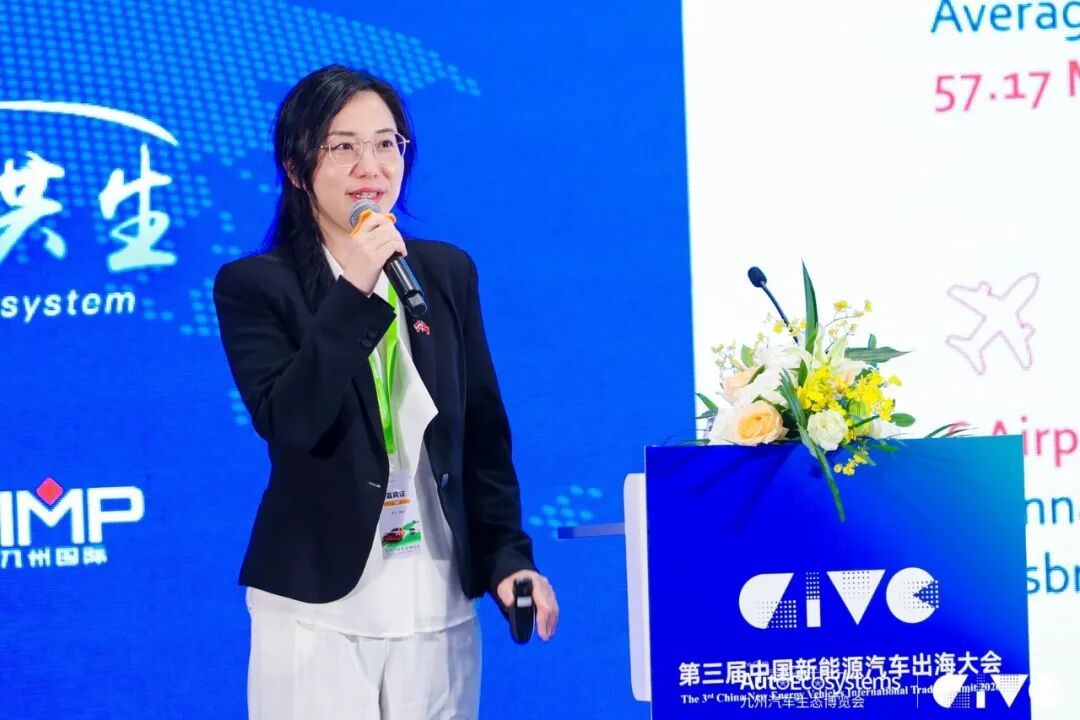
The summit brought together global industry insights to outlined the strategic pathways for new energy vehicles to expand into international markets. It drives the industry’s transition from mere "product exports" toward "standards alignment and industrial integration," empowering China's new energy vehicle to play a more significant role in the global transition toward green mobility.

Follow US